New Hire Onboarding (First 30 Days): Focus Live Screen Monitoring on Probation PCs
A practical technical + organisational guide for SMBs and IT providers: how to monitor only new-hire computers during the first 30 days, how to structure daily check-ins, and how to communicate monitoring internally — without giving legal advice.
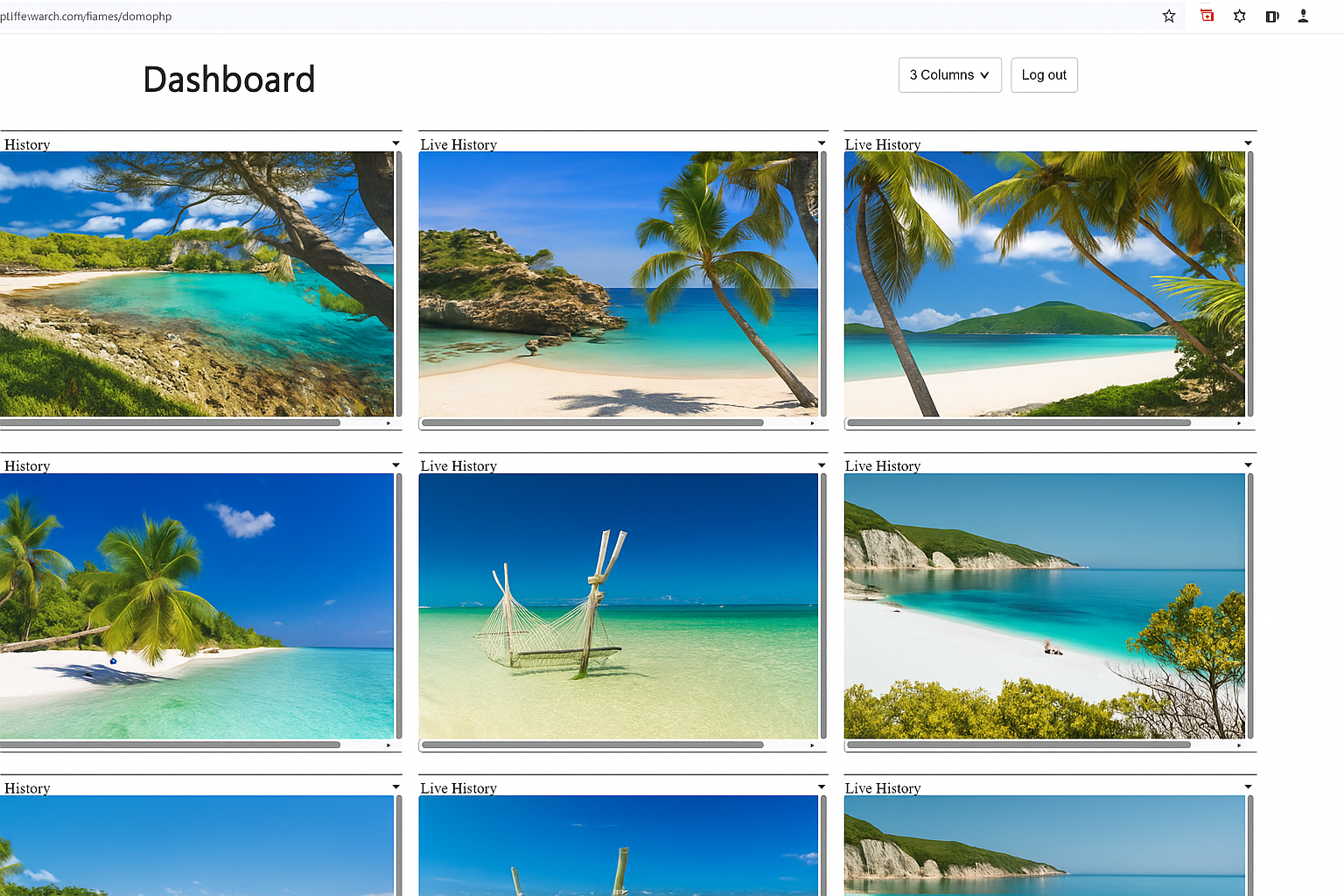
Illustrative dashboard grid view. For onboarding, many teams focus on new-hire PCs only. Image for technical illustration; real use must comply with applicable laws, contracts and internal policies.
When you hire someone new, the first weeks decide everything: tool mastery, process quality, security hygiene, and whether the person becomes productive quickly.
That is why many SMB owners, team leads and IT providers ask a very specific question:
- “Can we keep a closer eye on new hires during the first 30 days — without monitoring everyone?”
- “Can we focus on just a few probation PCs inside one dashboard?”
- “How do we do this in a structured, repeatable way?”
Important (very clear): screen monitoring can be legally sensitive. Whether you may use it, for which purposes (for example training supervision, quality assurance or security), and under which conditions (for example prior notice to users, consent, internal policies) depends on the laws in your country and your exact use case. This article is not legal advice. Before using Wolfeye (or any monitoring software), obtain independent legal advice in all relevant jurisdictions.
1. The onboarding problem in SMBs: “We don’t see the mistakes early enough”
In small and mid-sized businesses, onboarding often happens under real workload. A team lead gives access to tools, shares a few documents, and then hopes everything goes well.
But in the first 30 days, typical issues are:
- Tool confusion: the new hire clicks through ERP/CRM/ticketing systems without understanding the workflow.
- Process errors: wrong customer records, wrong status changes, wrong invoice templates, incorrect data entry.
- Security mistakes: passwords in notes, files in personal cloud, unknown downloads.
- Remote onboarding gaps: the new hire is “online”, but nobody sees where they are stuck.
A focused live screen view can help you spot these issues early, coach faster, and reduce the “silent failure” risk in probation periods—if used legally and transparently where required.
2. Core principle: monitor only new-hire PCs (focus beats surveillance)
The biggest operational mistake is to treat onboarding visibility as a company-wide monitoring project.
Instead, create a simple boundary:
- Scope: only company-controlled Windows PCs assigned to new hires (probation devices).
- Duration: first 30 days (or your probation period milestone).
- Purpose: training supervision, workflow coaching, quality checks, and incident prevention.
- Access: only authorised roles (owner, onboarding lead, IT provider—depending on your setup).
This “small scope” approach is easier to manage, easier to explain internally, and operationally more effective.
Example: a live dashboard grid view. For onboarding, many teams focus on only a small group of new-hire PCs. Image for technical illustration only. Any real use must comply with applicable laws, contracts and internal policies.
3. Step-by-step: how to focus on probation PCs inside the dashboard
In the video, you see the practical workflow: you install a small component on each new-hire PC, then you use the dashboard to focus on those computers only.
3.1 Create a simple “New Hires” structure
Even if your dashboard shows many PCs, onboarding becomes easier if you create a structure like:
- New Hires – Week 1
- New Hires – Weeks 2–4
- Experienced Staff (not part of the onboarding scope)
If your environment is larger (or you are an IT provider), structure by client and onboarding cohort: Client A – New Hires (Dec).
3.2 Use “open live screen” for targeted coaching moments
The grid view is your radar. When you notice confusion (repeated error screens, long idle time in the wrong tool, unclear navigation), open the specific PC in a larger view and coach via call or chat.
3.3 Enable screenshot history only when you truly need it
Many onboarding teams use live view for real-time coaching. Screenshot history can help when:
- you need to reconstruct how an error happened,
- you want to review a workflow after the fact,
- you need evidence for an internal incident review (subject to legal rules).
Reminder: retention, access and admissibility are legal questions. Clarify them with legal counsel first.
4. A practical 30-day onboarding routine (simple, repeatable)
Here is a lightweight routine many SMBs can actually execute. Adjust it to your role and industry.
Days 1–3: guided setup + tool basics
- Confirm the new hire can log into core tools (email, CRM/ERP, ticketing, VoIP, file shares).
- Run short live coaching sessions (15–20 minutes) instead of long training blocks.
- Use live view to catch “basic mistakes” early (wrong customer selection, wrong workflow path).
Week 1: quality over speed
- Define 2–3 key workflows the new hire must learn (example: create ticket → update status → document resolution).
- Do one daily check-in: “Show me your last 3 cases.”
- Use the dashboard for quick visual confirmation and coaching.
Weeks 2–4: independence with spot checks
- Reduce live coaching, increase independence.
- Use short, planned spot checks (for example 5–10 minutes) to verify correct tool use.
- If you see repeated confusion, do a focused retraining session.
Day 30: the handover decision
- Review workflow quality, error rate, and the ability to work independently.
- Decide: “graduate from New Hires group” or extend training support (and clarify legal framework for any continued monitoring).
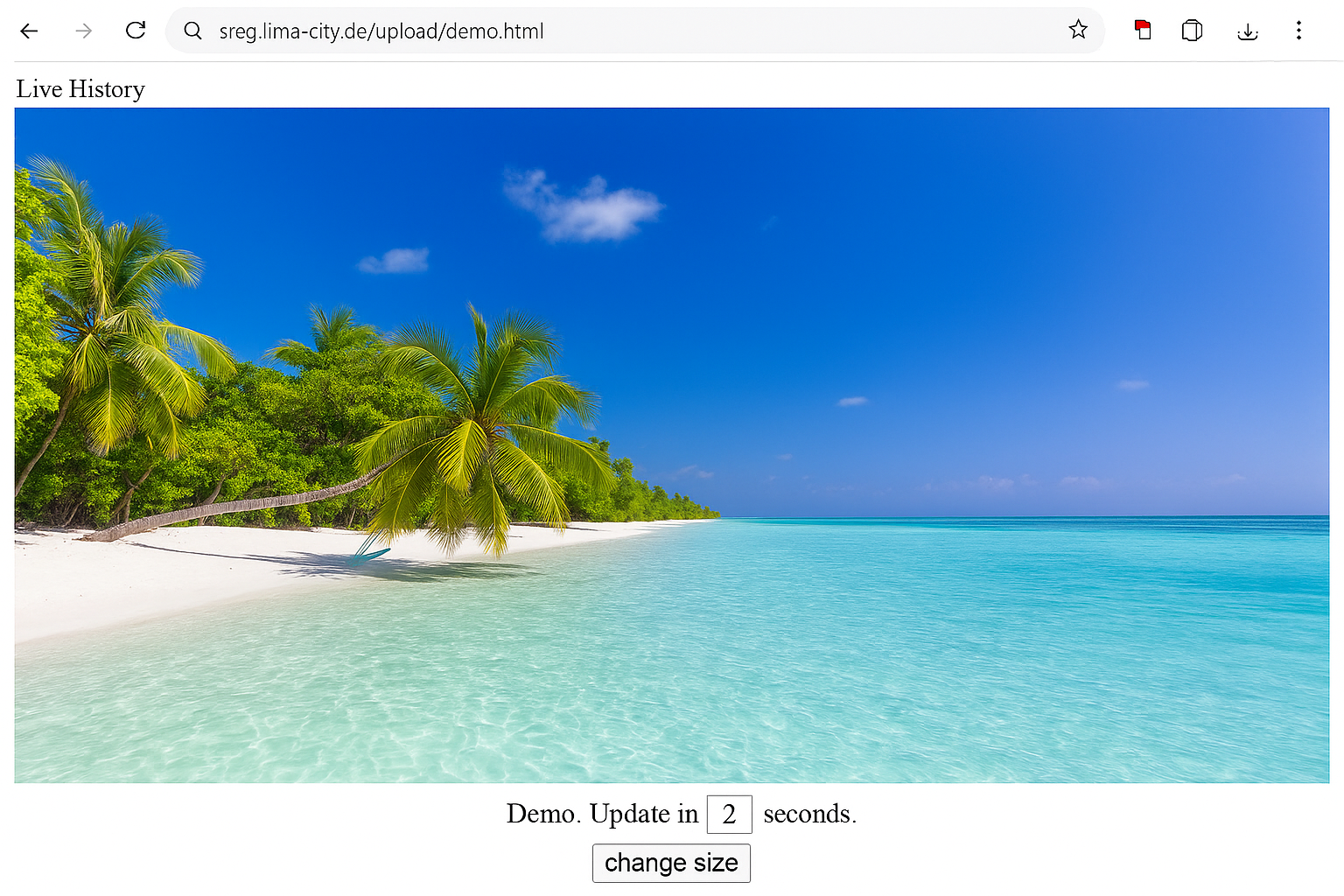
Example: a single PC in a larger live view. This is typically used for targeted coaching when a new hire is stuck. Illustration only; legal admissibility depends on your country, use case and internal rules.
5. Transparent vs discreet monitoring: how to communicate it internally (non-legal guidance)
Whether monitoring must be transparent, whether discreet operation is allowed, and what you must communicate are legal questions and vary by country.
From an organisational standpoint, many teams prefer a transparent onboarding model because it improves trust and reduces conflict. A practical internal message could be:
- Purpose: “During onboarding, we provide extra coaching and quality checks so you can learn faster.”
- Scope: “Only onboarding devices / training period (first 30 days).”
- Access control: “Only the onboarding lead / authorised persons can access the dashboard.”
- Next step: “After onboarding, monitoring is reduced or stopped—depending on the legally permitted setup and internal policy.”
Important: this is not legal advice. Always clarify the legally required information duties, consent rules and policies with qualified legal counsel in your jurisdiction.
6. IT providers / MSPs: how to offer “new hire onboarding visibility” as a service
Many SMB clients hire in waves. For IT providers, a focused “New Hire PCs dashboard” can be a simple add-on service:
- Fast rollout: install on only the new-hire PCs (small scope, low friction).
- Clear deliverable: onboarding visibility + coaching support + quicker ticket triage.
- Client-friendly framing: “training supervision and quality assurance during probation.”
As always: the legal and contractual framework must be clarified by the client with counsel. Providers should avoid giving legal advice and should document what they do technically.
7. Video: New Hires and Probation Periods — Monitor Their Screens Closely in the First 30 Days
The following video demonstrates the technical workflow: install on the new-hire PCs, open the dashboard, and focus on specific computers for onboarding coaching.
Disclaimer: the video is for technical and organisational illustration only and is not legal advice. Only use monitoring software where it is lawful in your country and for your use case (for example training supervision), and where required, inform users and obtain consent. Always get independent legal advice before deployment.
Video: “New Hires and Probation Periods Monitor Their Screens Closely in the First 30 Days”. Technical demo only; it does not determine legal admissibility.
Frequently Asked Questions – New Hires & the First 30 Days
Technically, yes: many teams scope monitoring to a small set of probation PCs and focus onboarding coaching there. Whether and how you may do this depends on your country, your use case and your internal rules—get legal advice.
No. Live screen monitoring is primarily visibility (watching). Remote desktop tools are designed for active control and support. Many organisations use both for different purposes.
Only if you have a clear reason (workflow review, incident reconstruction) and a legally reviewed retention/access policy. Many teams start with live view only.
Often yes, but requirements vary widely by country and scenario. Always clarify with qualified legal counsel. This article is not legal advice.
Conclusion
The first 30 days are the highest-leverage period for coaching and quality. If you decide (with legal advice) to use live screen visibility, keep it focused:
- monitor only new-hire PCs (small scope),
- use a simple 30-day routine (daily check-ins → weekly spot checks),
- restrict access to authorised roles,
- prefer transparent communication where required,
- and obtain independent legal advice before deployment.
Want to test a focused “New Hires dashboard” on your company PCs?
Start 14-Day Free Trial
Wolfeye is monitoring software. Any use must comply with the laws and regulations that apply in all relevant countries, your industry and your specific use case (for example, supervision of training, quality assurance or security). In many jurisdictions, admissibility depends on factors such as prior information of users, explicit consent, contractual terms, works council rules and data protection requirements. This article and the embedded video are for general technical and organisational information only and do not constitute legal advice or a guarantee of legal admissibility.
Before using any monitoring software such as Wolfeye, always obtain independent legal advice in all relevant countries about whether and how you may monitor company-controlled PCs (for example for training supervision, quality assurance or security), and under which conditions users must be informed or give consent.