Monitor Multiple Office PCs at Once: Live Screen Wall (Grid View Dashboard) – Owner’s Setup Guide
A practical, non-legal guide for SMB owners and IT service providers: how to connect many company PCs and watch them live in one grid overview — like a monitor wall — and how teams typically use it for training, quality checks and operational visibility.
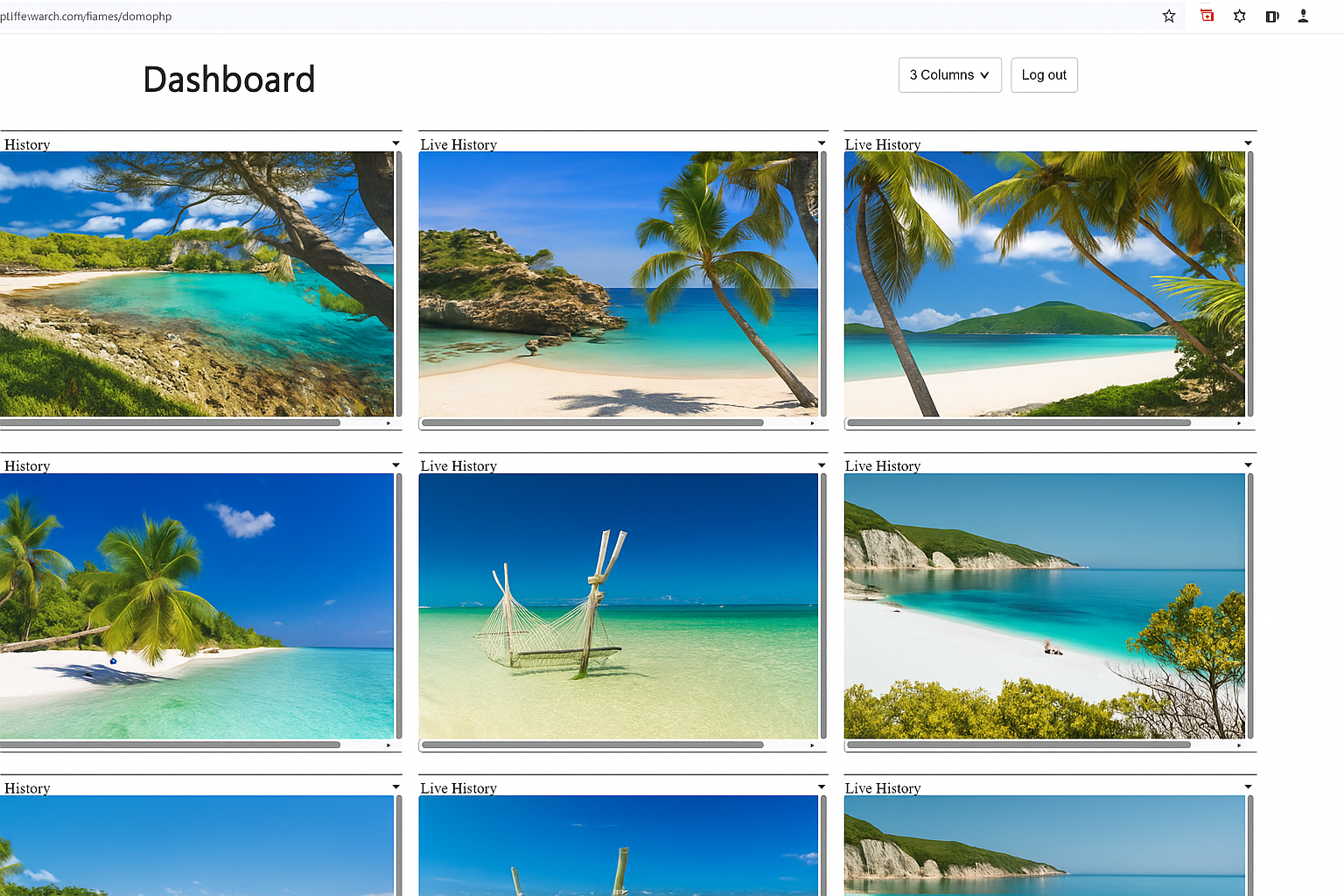
Illustrative Wolfeye dashboard with multiple company-controlled PCs in a live grid view (screen wall). Any real-world monitoring must comply with applicable laws, contracts and internal policies.
Many business owners don’t want “more reports”. They want a simple, fast answer to one operational question:
- “Can I see multiple office PCs live on one screen — like a security wall of monitors?”
- “Can I get an overview of what’s happening across the office without jumping between tools?”
- “Can our IT provider set this up quickly on company computers?”
Tools like Wolfeye Remote Screen can technically provide this on company-controlled Windows PCs: you install a small agent on each PC you want to include, and authorised users see those screens in a central dashboard.
Important legal note (very clear): Whether you may use any monitoring software, for which purposes (for example training supervision, quality assurance or security), and under which conditions (for example user information, consent, contractual clauses, works councils) depends on the laws and regulations in your country and your specific use case. This article is not legal advice. Before you deploy Wolfeye or any similar tool, always obtain independent legal advice in all relevant jurisdictions and implement appropriate internal policies.
1. What a “Live Screen Wall” (Grid View) Means Technically
In a technical sense, a live screen wall is simply a grid of live PC screens in one dashboard. The common characteristics are:
- One small agent per PC: each company PC you want to see runs a lightweight Wolfeye component.
- Central dashboard: authorised users log in and see a grid of live screens.
- Fast “near-live” updates: the grid refreshes frequently so you can understand what is happening across devices.
- Zoom into one PC: open a single PC screen in a bigger view when you need detail.
- Optional screenshot history: for some workflows, teams enable a history (for example snapshots every few minutes) to review what happened earlier.
It is useful to think of the grid view as an operational overview — not as a tool for micromanagement. In real companies, the most common pattern is to use the wall for short checks, training support, and quality or incident visibility (where legally permitted and properly documented).
2. Where a Live Screen Wall Is Especially Useful (SMBs & IT Providers)
The live grid view is most popular in environments where many PCs are in one operational flow and managers need a quick overview:
- Offices with many workstations: back office, accounting, operations, dispatch.
- Call centers / support teams: supervisors see whether agents are in the right tools and workflows.
- Agencies and IT service teams: visibility across a team when deadlines are tight.
- Training rooms: trainers can spot where people get stuck in a new system.
- Multi-location SMBs: one dashboard can show PCs from different locations if they are company-controlled and connected.
In almost all practical setups, the grid view is used on company-controlled PCs. Monitoring of private devices is a separate (often highly sensitive) legal and contractual topic and is not covered here.
Example: Wolfeye dashboard showing multiple company-controlled PCs in a live grid view (screen wall). Image for technical illustration only. Any real-world monitoring must comply with applicable laws, contracts and internal policies.
3. Owner Setup Guide: From Zero to a Live Grid View (Technical Workflow)
This is the typical, practical workflow business owners and IT providers use to create a live screen wall on company PCs.
3.1 Start with a small, clearly defined pilot group
Even if your long-term goal is to connect 20, 50 or 100 PCs, start with a small group (for example 3–5 PCs). Choose devices that match a clear use case such as:
- training/onboarding PCs for new hires,
- support team PCs during a pilot shift,
- key operational workstations for process visibility.
Before installing anything, ensure your intended use is lawful in your country and appropriately communicated/documented where required. Get legal advice.
3.2 Install the Wolfeye agent on each company PC you want to include
Technically, the live wall works only for PCs where the software is installed. In a small office, you can install it manually on the pilot PCs. In larger environments, IT providers often roll it out via standard IT tooling (for example remote software deployment) — again, only where lawful and contractually permitted.
3.3 Connect screens to your dashboard (so they appear in the grid)
After installation, the PCs are connected to your Wolfeye account so they appear in the dashboard. Once connected, you’ll see:
- a grid overview of multiple PC screens,
- the option to switch layout (for example fewer columns for bigger screens),
- the ability to open one PC screen in a larger view when needed.
3.4 Operate the wall like an overview — then “zoom in” when needed
The grid view is perfect for quick orientation. When something looks unusual or when you want to coach someone in a process, open the relevant PC in a larger view. Many teams use the live wall in short time windows (start of shift, peak times, training sessions) instead of constant viewing.
3.5 Optional: Enable screenshot history for review workflows
If your workflow benefits from reviewing what happened earlier (for example during training, quality review or incident clarification), you can enable screenshot history on selected PCs. Keep the scope limited and aligned with your legal framework, retention rules and internal policy.
4. Daily Routines: How Teams Use a Live Screen Wall in Practice
Once the wall is set up, organisations usually establish simple routines. The key is to make the wall useful (operational visibility) rather than noisy (random checking).
4.1 Start-of-shift overview
A short grid check at the start of a shift helps owners and supervisors see whether workstations are ready, key tools are open, and onboarding tasks are progressing — especially during busy periods.
4.2 Training and onboarding support
For training, the live wall is a practical way to see where people struggle in CRM/ERP/ticket systems without asking them to describe every click. Trainers can then help faster, with concrete instructions based on what they see.
4.3 Quality checks during peak times
In operations-heavy SMBs (support queues, dispatch, back office), short grid checks can reveal whether teams follow the expected workflow — where legally permitted and properly documented.
4.4 Incident and security visibility (use-case dependent)
When something important happens (suspected mistakes, security incidents, unusual behaviour), the live wall can provide fast visibility on relevant PCs. The legal admissibility of such use depends on your country, your policies, and proper user information/agreements.
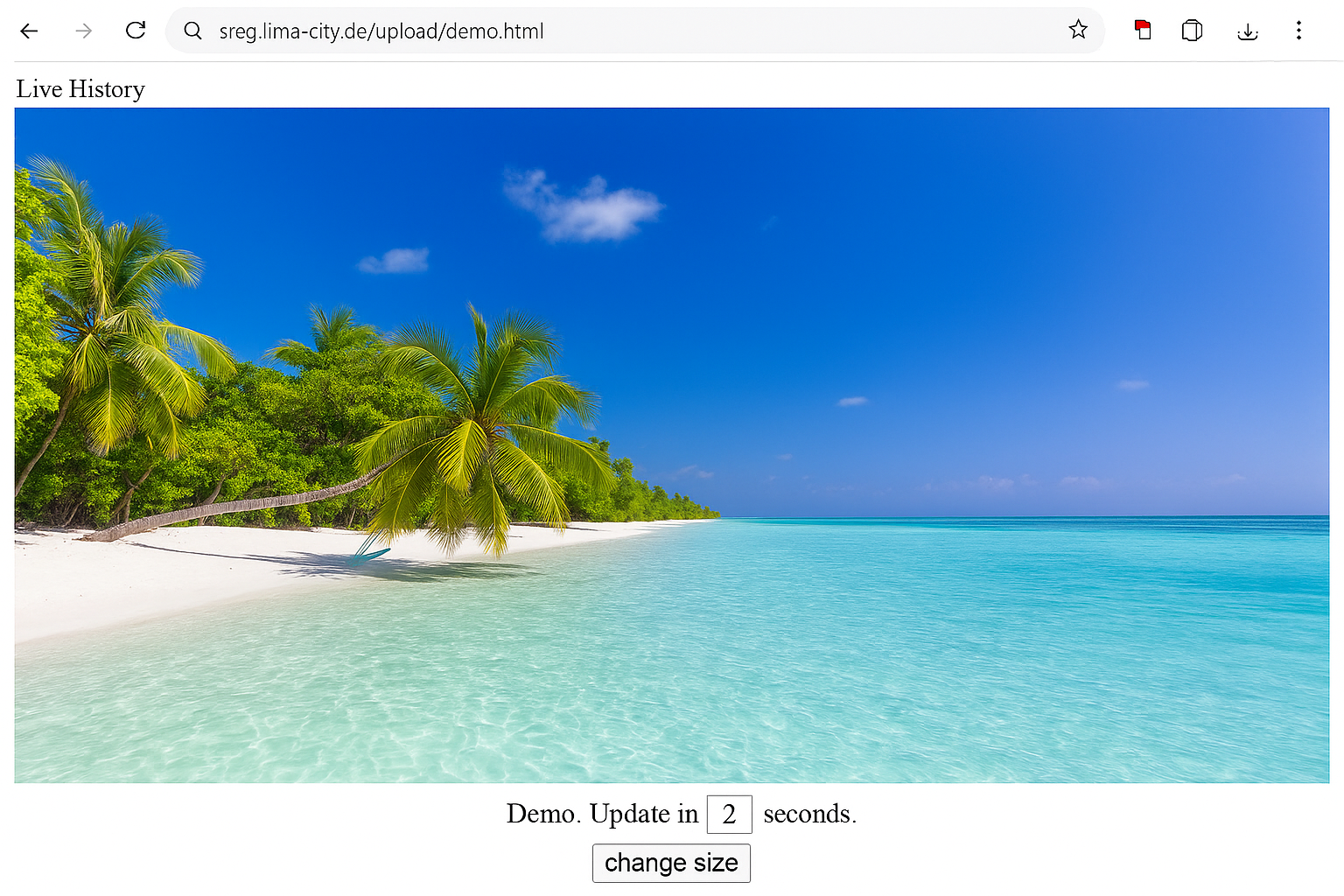
Example: single live screen view of a company-controlled PC. It shows what is technically possible; it does not determine what is legally allowed. Always obtain legal advice before using monitoring software.
5. Best Practices for SMB Owners & MSPs (Non-Legal, Organisational View)
The difference between a “cool demo” and a useful everyday tool is usually organisation, not technology. Common best practices include:
- Name and group PCs clearly: use names like “Support-01”, “Training-PC-A”, “Frontdesk-02” so the wall stays readable.
- Limit access: only a small set of authorised people should have dashboard access.
- Define the purpose: write down why you use the wall (training, quality, security) and which PCs are included.
- Use short routines: treat the grid like an operational overview, not a permanent surveillance screen.
- Scale in waves: pilot with a few PCs, then expand to a team, then to a department.
- For IT providers/MSPs: align the setup with client contracts, internal permissions, and the applicable local laws in each client scenario.
These are organisational suggestions only — not legal guidance. The legal requirements for employee monitoring differ widely across countries and industries.
6. Explicit Disclaimer (No Legal Advice)
This article and the embedded video are for technical and organisational information only. They do not constitute legal advice.
Monitoring laws and requirements differ by country, industry and scenario. In many jurisdictions, whether you may monitor screens depends on factors such as (examples only):
- your country’s employment and privacy laws,
- your specific use case (for example training supervision, quality assurance, security),
- whether users must be informed and/or give consent,
- what your contracts, policies, and (if applicable) employee representatives require,
- how access rights, retention rules and documentation are handled internally.
Before you deploy Wolfeye or any monitoring tool, always obtain independent legal advice in all relevant jurisdictions. Only qualified professionals can tell you what is lawful for your exact setup.
7. Video: See Every Office PC Live on One Screen (Grid View Demo)
The following video shows a technical demo of how you can connect multiple company PCs and watch them in a live grid view (screen wall) in one dashboard.
Important: The video is not legal advice and does not guarantee that any monitoring setup is lawful in your country. Always get legal advice before using monitoring software.
Video: “See Every Office PC Live on One Screen – Owner’s Guide to Employee Monitoring”. It illustrates the grid view concept technically and does not replace legal advice.
Frequently Asked Questions – Live Screen Wall (Grid View)
You can connect multiple company-controlled Windows PCs and see them in a live grid. The practical number depends on your team size and how you want to use the overview (for example a supervisor wall vs. a smaller training view).
Yes. A common workflow is: use the grid for overview, then open a single PC in a larger view for details.
No. A live screen wall is primarily for visibility (seeing screens in a grid). Remote Desktop tools focus on full remote control and support workflows.
Depending on configuration, teams enable screenshot history for selected PCs to support training review, quality checks or incident clarification — always within your legal and policy framework.
Conclusion
A live screen wall (grid view) is one of the fastest ways to get real operational visibility across an office full of PCs.
Technically, the concept is simple: install the agent on each company PC you want to include, log into the dashboard, and you can see many screens side by side — then zoom into any single PC when needed.
Used with clear purpose (training, quality, security) and proper governance, a grid view can help SMBs and IT providers reduce guesswork and improve oversight. But legality depends on your country and your specific use case. Always obtain legal advice and implement appropriate internal policies before deploying monitoring software.
Want to see what a live screen wall would look like with your own office PCs?
Start 14-Day Free Trial
Wolfeye is monitoring software for company-controlled PCs. Any use must comply with the laws and regulations that apply in all relevant countries, your industry and your specific use case (for example training supervision, quality assurance or security). In many jurisdictions, monitoring depends on factors such as prior information of users, explicit consent, data protection rules and contractual terms. This article and the embedded video are for general technical and organisational information only and do not constitute legal advice or a guarantee of legal admissibility.
Before using any monitoring software such as Wolfeye, always obtain independent legal advice in all relevant countries about whether and how you may monitor company-controlled PCs (for example in training, quality assurance or security scenarios) and under which conditions users must be informed or give consent.