Hybrid Teams: Monitor Office and Remote Company PCs in One Live Dashboard
A practical, non-legal guide for SMBs and IT service providers: how a single live dashboard can show office PCs and remote company-controlled Windows PCs side by side – and why legality and transparency must be clarified first.
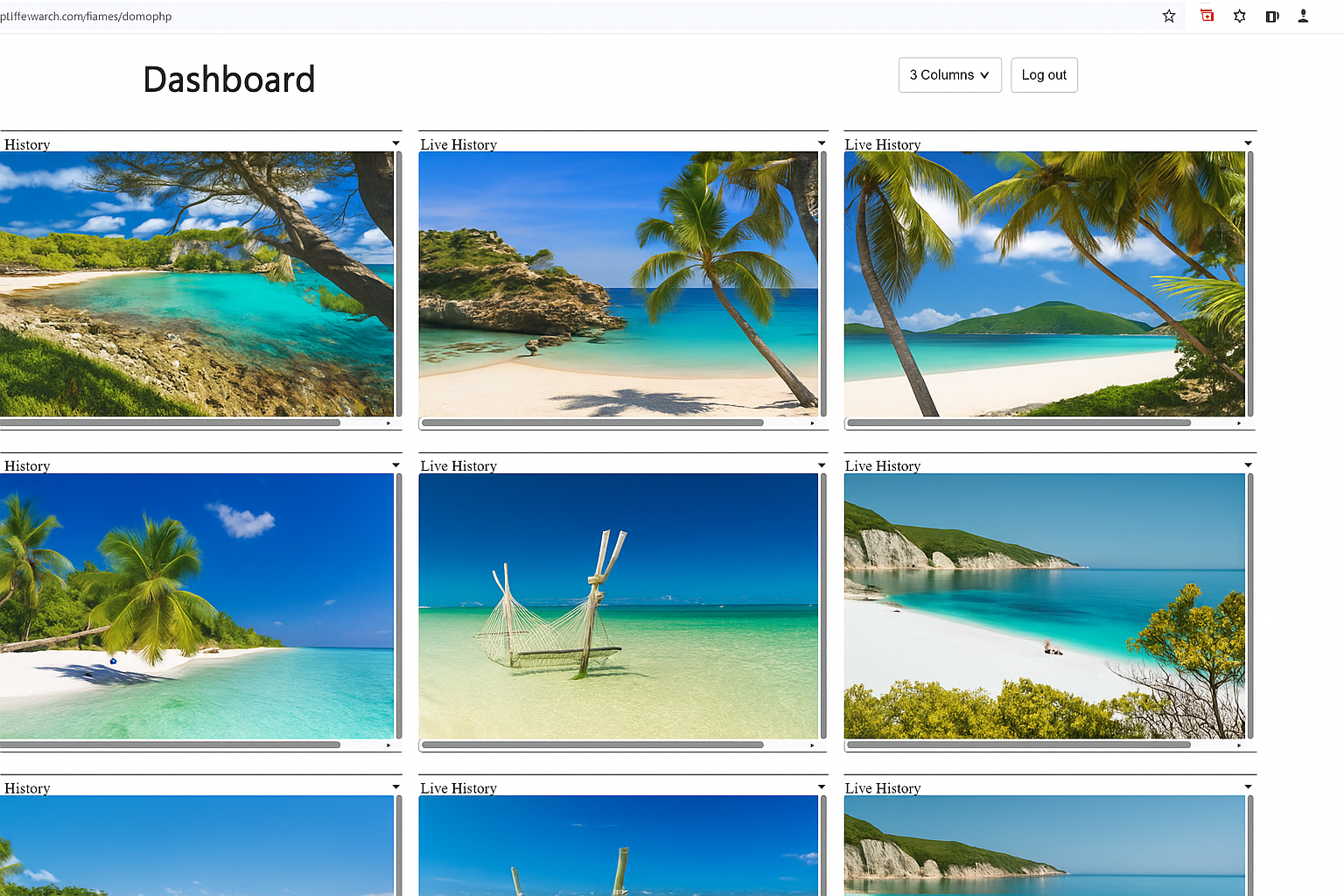
Illustrative Wolfeye dashboard with several company-controlled PCs across office and remote setups. Image for technical illustration only; any real monitoring use must comply with applicable laws, contracts and internal policies.
Many organisations run hybrid teams: some people work on office PCs, others on company laptops in home office or at remote sites. Owners and IT providers often ask:
- “Can we get one live overview for office and remote PCs instead of using two tools?”
- “How do we quickly check key devices across locations when issues happen?”
- “Can supervisors support training and quality checks in distributed teams?”
Important: monitoring workplace devices is a legally sensitive topic. Whether you may use such software, for which purposes (for example training supervision, quality assurance, security), and under which conditions (for example prior information of users, consent, works council rules, internal policies) depends on the laws in the relevant country/countries and your exact use case.
This article does not provide legal advice. Before deploying any monitoring software, you should obtain independent legal advice in all relevant jurisdictions and ensure your internal policies and transparency requirements are met.
1. Why hybrid teams need one dashboard (instead of two monitoring worlds)
Hybrid environments create friction when visibility is split:
- Office devices are often handled by local IT routines and on-site supervision.
- Remote devices are often handled through separate remote support tools and ad-hoc processes.
A single live dashboard can reduce tool switching and help owners, operations leads and IT providers get a fast visual overview of key company-controlled PCs across office and remote locations.
But: you should only consider this approach where it is lawful, supported by clear internal rules, and where users are informed as required.
2. Technical concept: How one live dashboard can show office + remote PCs
From a technical standpoint, the model is straightforward:
- Install a small software component (agent) on each company-controlled Windows PC you want included (office PCs and remote company laptops).
- Each device connects to your Wolfeye dashboard via the internet.
- Authorised users can see a live grid view of screens in one place and open individual screens for more detail.
- Depending on configuration, screenshot history can be used for later review and documentation of what happened.
In practice, this is most commonly used on company-controlled hardware. Installing monitoring software on private devices is a separate legal and contractual question that must be clarified first.
Example: one Wolfeye dashboard showing several company-controlled PCs side by side. Image for technical illustration only. Any real monitoring use must comply with applicable laws, contracts and internal policies.
3. Common hybrid setups (what organisations typically connect)
Hybrid “one-dashboard” setups usually look like one of these patterns:
3.1 One office + several home office laptops
- Office PCs (for example reception, finance, operations) are included as “Office”.
- Remote company laptops are included as “Remote”.
- Supervisors see both groups together in one live overview when needed.
3.2 Multiple offices + remote staff across regions
- Devices are grouped by location or team (“Office NL”, “Office ES”, “Remote Support”).
- Leads can quickly switch from overview to an individual screen to investigate issues.
3.3 IT provider / MSP supporting hybrid client environments
Where contractually agreed and legally permitted, IT providers can connect key client PCs (office + remote) to a dashboard to improve incident response and operational oversight. The legal and contractual framework is crucial in these scenarios.
4. Typical use cases in hybrid teams (where legally permitted)
In hybrid teams, organisations usually use live screen visibility for a few recurring reasons:
- Training and onboarding: supervisors can support new staff while they work in ERP/CRM/ticketing systems.
- Operational transparency: quick checks of critical workstations during peak hours or process changes.
- Security and incident response: if something suspicious happens, the live view can help clarify what is happening on a device.
- Quality assurance: targeted checks for process adherence on company-controlled devices.
These scenarios are often acceptable only if use cases are defined, access is restricted, and users are informed as required by applicable law and internal rules.
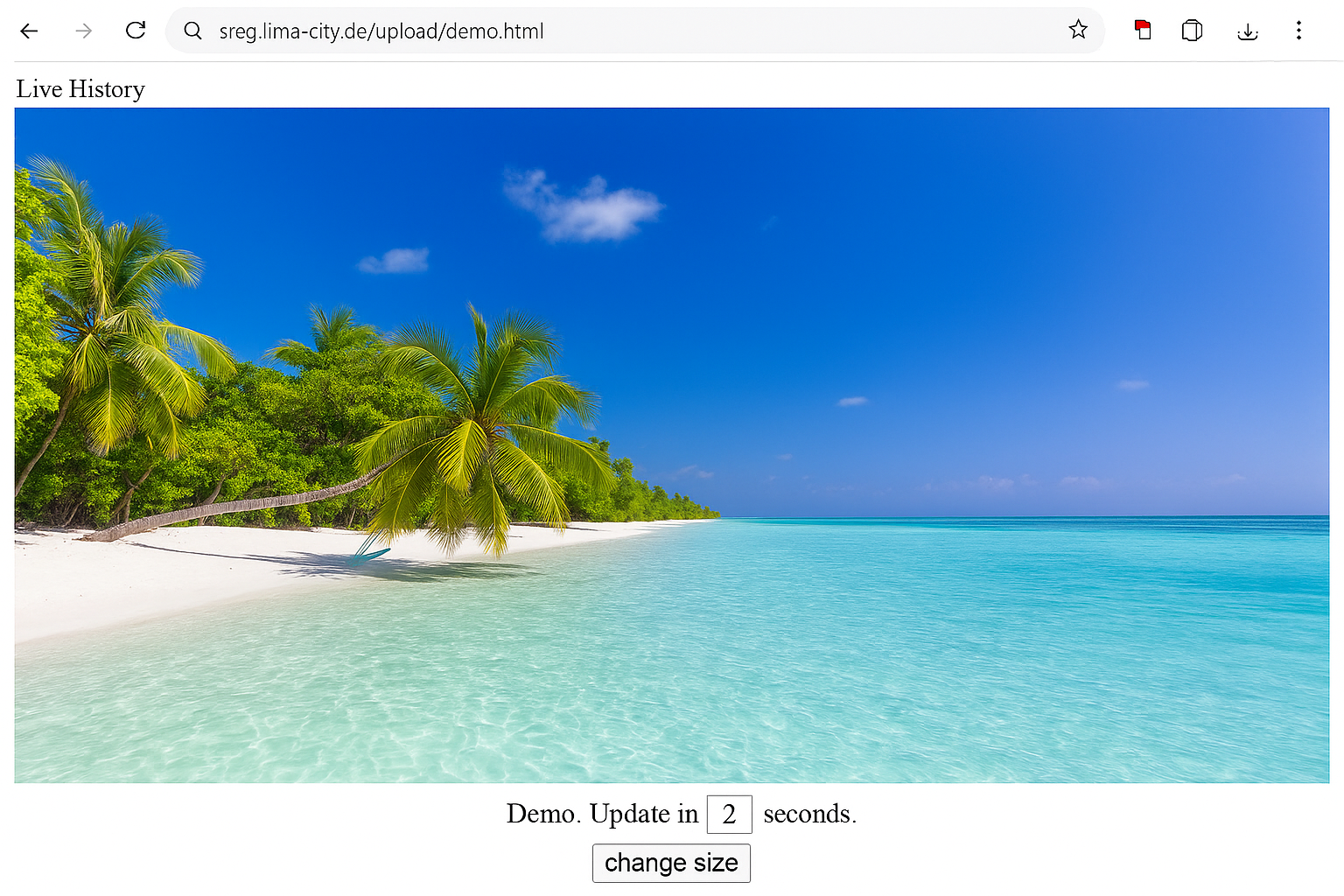
Example: a single company-controlled PC shown in a larger live view. This illustrates technical capability only. Whether and how this is allowed depends on applicable laws, contracts and internal policies.
5. Organisational best practices for hybrid live dashboards
To keep hybrid monitoring setups structured (and to support compliance discussions), many organisations define a few operational rules:
- Company-controlled devices only: avoid private hardware unless legal counsel explicitly approves the model.
- Clear purposes: document why you use live view (for example training supervision, QA, security).
- Restricted access: limit dashboard access to a small set of authorised roles (owner, operations lead, IT lead).
- Transparency where required: inform users and document the process where laws/policies require it.
- Retention decisions: if screenshot history is enabled, define retention and deletion rules with legal counsel.
These points do not replace legal advice, but they reduce ambiguity and help you operate hybrid teams more consistently.
6. Legal considerations and explicit disclaimer
This article describes technical possibilities and typical organisational patterns. It is not legal advice.
Whether you may monitor screens in your country and your specific setup depends on factors such as (examples only):
- applicable data protection and employment laws in each relevant country,
- whether the devices are company-controlled,
- your use case (for example training supervision vs. other purposes),
- whether users must be informed and/or give consent,
- internal policies, works council agreements, and sector rules.
Before deploying Wolfeye or any other monitoring software, obtain independent legal advice in all relevant jurisdictions and implement the required policies, transparency steps and access controls.
7. Video: How to Monitor Office and Remote Employee PCs in One Dashboard
The following video shows a technical demo of how a single dashboard can show multiple office and remote company PCs in one live grid view.
Reminder: the video is for technical illustration only and does not provide legal advice. Always clarify legality, permitted purposes (for example training supervision) and user information/consent requirements with legal counsel before use.
Video: “How to Monitor Office and Remote Employee PCs in One Dashboard”. It shows what is technically possible on company-controlled PCs. It does not determine what is legally permitted in your country or scenario.
Frequently Asked Questions – Hybrid Teams & One Dashboard
Technically, yes – as long as the devices are company-controlled Windows PCs and connected to the internet. Whether and under which conditions you may monitor them depends on applicable laws, contracts and internal policies.
In many jurisdictions, yes. Information duties and consent requirements vary by country and use case. Always clarify with legal counsel before deployment.
No. Wolfeye provides live screen visibility and (depending on configuration) screenshot history. It does not replace time tracking tools, HR policies or compliance processes.
This is a legal/compliance decision, not just technical. Define retention and deletion rules with legal counsel and, where applicable, data protection experts.
Conclusion
For hybrid teams, one live dashboard can simplify operational visibility across office and remote company PCs – but it must be done within the legal framework.
A practical approach is:
- define a narrow, legitimate purpose (for example training supervision, QA, or security),
- limit monitoring to clearly company-controlled devices,
- restrict dashboard access to authorised roles,
- ensure users are informed where required,
- and obtain independent legal advice before rollout.
Want to see how your office and remote company PCs could look in one live dashboard?
Start 14-Day Free Trial
Wolfeye is monitoring software. Any use must comply with the laws and regulations that apply in all relevant countries, your industry and your specific use case (for example, supervision of training, quality assurance or security). In many jurisdictions, the admissibility of monitoring depends on factors such as prior information of users, explicit consent, data protection rules, works council agreements and contractual terms. This article and the embedded video are for general technical and organisational information only and do not constitute legal advice or a guarantee of legal admissibility.
Before using any monitoring software such as Wolfeye, always obtain independent legal advice in all relevant countries about whether and how you may monitor company-controlled PCs (for example for training supervision, quality assurance or security), and under which conditions users must be informed or give consent.