Call Center Live Screen Wall for Supervisors: Real-Time Agent Screen Monitoring
How supervisors can see all agent screens in one dashboard grid, open a single screen in large view, and run practical QA & training workflows — plus a safe installation checklist. Technical guide only, no legal advice.
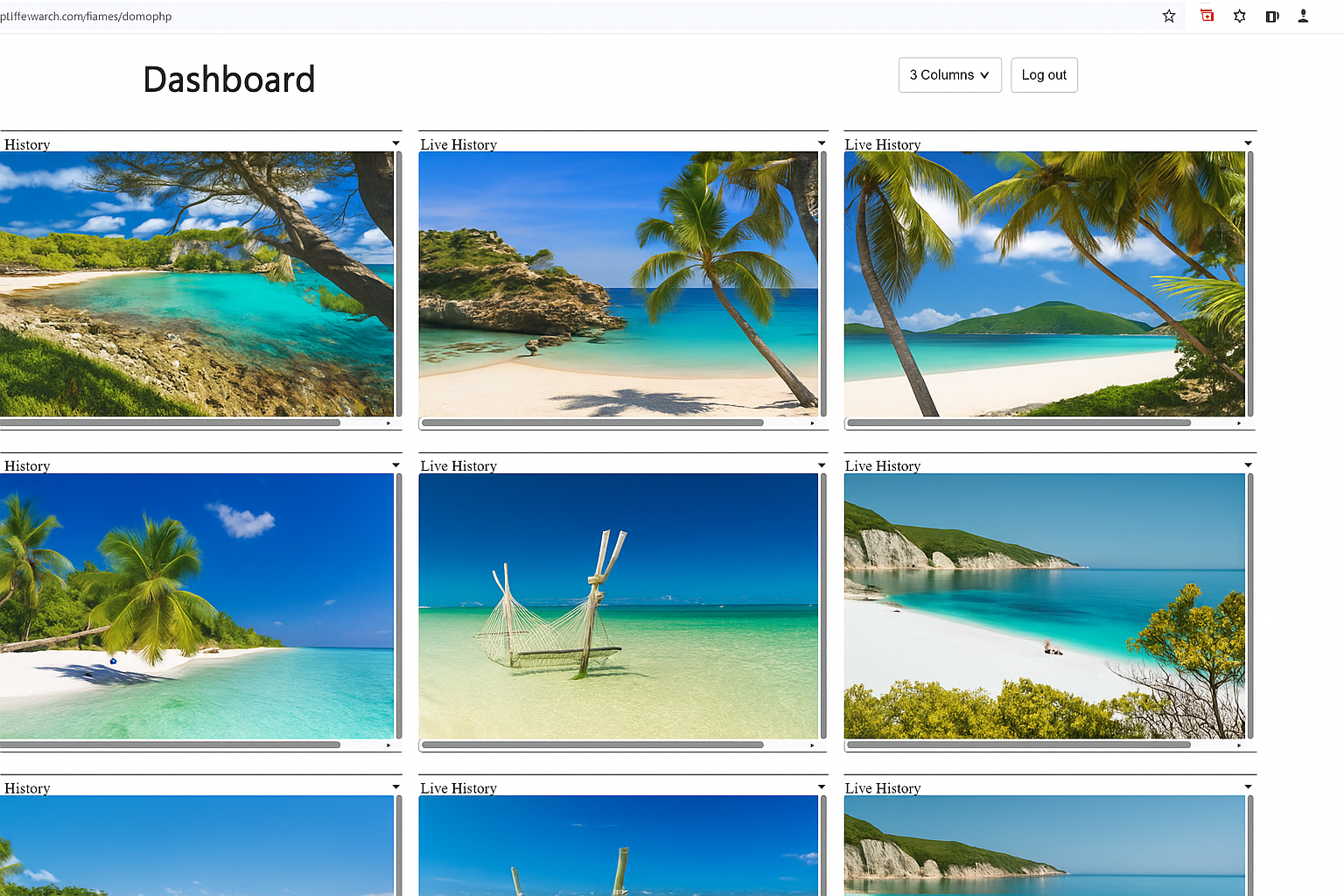
Illustrative dashboard grid (“screen wall”). For technical illustration only; real monitoring must comply with applicable laws, contracts and internal policies.
In a call center, every second counts — but supervisors cannot stand behind every agent’s chair. That is exactly where a live screen wall helps: one dashboard that shows all agent screens in a live grid view, so supervisors can spot problems early and coach faster.
Typical reasons call centers consider a screen wall (where lawful) include:
- Training & onboarding: new agents get help faster when they are stuck in CRM/knowledge base tools.
- Quality control: supervisors notice wrong workflows, wrong tools or repeated error pages instantly.
- Security awareness: suspicious activity can be escalated quickly to the right team.
- Operational visibility: managers get a quick overview during peak hours and shift changes.
Important disclaimer: screen monitoring can be legally sensitive. Whether you may use it, for which purposes (for example training supervision, quality assurance or security), and under which conditions (for example prior information of users and/or consent) depends on your country and your exact use case. This article is not legal advice. Before deploying any monitoring software, obtain independent legal advice in all relevant jurisdictions and implement the required internal policies and access controls.
1. What a “live screen wall” is (and what it is not)
A live screen wall is a supervisor view that shows many agent screens side by side in a grid. It answers one simple question:
“What is happening on our agent PCs right now?”
It is not the same as a classic call center wallboard that displays KPIs like queue length, AHT or service level. KPI wallboards show metrics. A live screen wall shows screens.
- KPI wallboard: “Our queue is rising.”
- Live screen wall: “Why are 6 agents stuck in the same error state in the CRM?”
In practice, many supervisors combine both: KPI dashboards for performance and a screen wall for real-time coaching and troubleshooting.
2. What supervisors can spot instantly with a grid view
When you see all agent screens in one place, patterns become obvious in seconds. Supervisors often use a screen wall to detect:
- Wrong software open (agents working in the wrong tab/tool).
- Repeated error screens (a knowledge base or CRM outage impacting many agents).
- Long idle time (agent appears stuck, disconnected, or waiting in the wrong workflow).
- Process deviation (agents skipping required steps in tickets/forms).
- Risky behavior signals (unexpected websites/apps on company PCs that should be escalated to security).
Used responsibly, this visibility supports fast coaching and helps reduce costly “silent failure” periods on shift.
Example: a live dashboard grid (“screen wall”) showing multiple company-controlled PCs. Image for technical illustration only. Any real monitoring use must comply with applicable laws, contracts and internal policies.
3. Technical concept: how a live screen wall works
From a technical standpoint the workflow is straightforward:
- Install a small component on each company-controlled Windows PC you want to include (agent PCs).
- Each PC connects to your Wolfeye dashboard via the internet/network.
- Authorised supervisors open the dashboard in a browser and see a live grid view.
- To investigate a specific agent, open that PC in a large live view.
- Optionally (depending on configuration), enable screenshot history for later review of what happened.
Operational tip: keep access restricted to a small set of roles (e.g., shift lead, QA lead). Too many viewers creates noise and raises governance questions.
4. Supervisor workflows that work in real call centers
4.1 “Radar + zoom-in” coaching
Use the grid as your radar. When something looks off (wrong screen, repeated errors, confused navigation), open the live view in a new tab and coach the agent via your normal channel (call, whisper, chat).
4.2 Training new agents without slowing the floor
During onboarding, screen walls help supervisors support multiple new agents in parallel. Instead of waiting for someone to ask for help, a supervisor sees confusion early and intervenes fast (where permitted).
4.3 Quality control during peak hours
In peak hours, you want quick confirmation that agents follow the correct workflow (CRM notes, mandatory fields, correct templates). A short targeted check is often more practical than heavy audits.
4.4 Fast incident triage
If the dashboard shows many agents stuck in the same error screen, you can immediately escalate to IT: “CRM login loop started at 10:12, affecting 12 PCs.” That saves time compared to collecting reports from individuals.
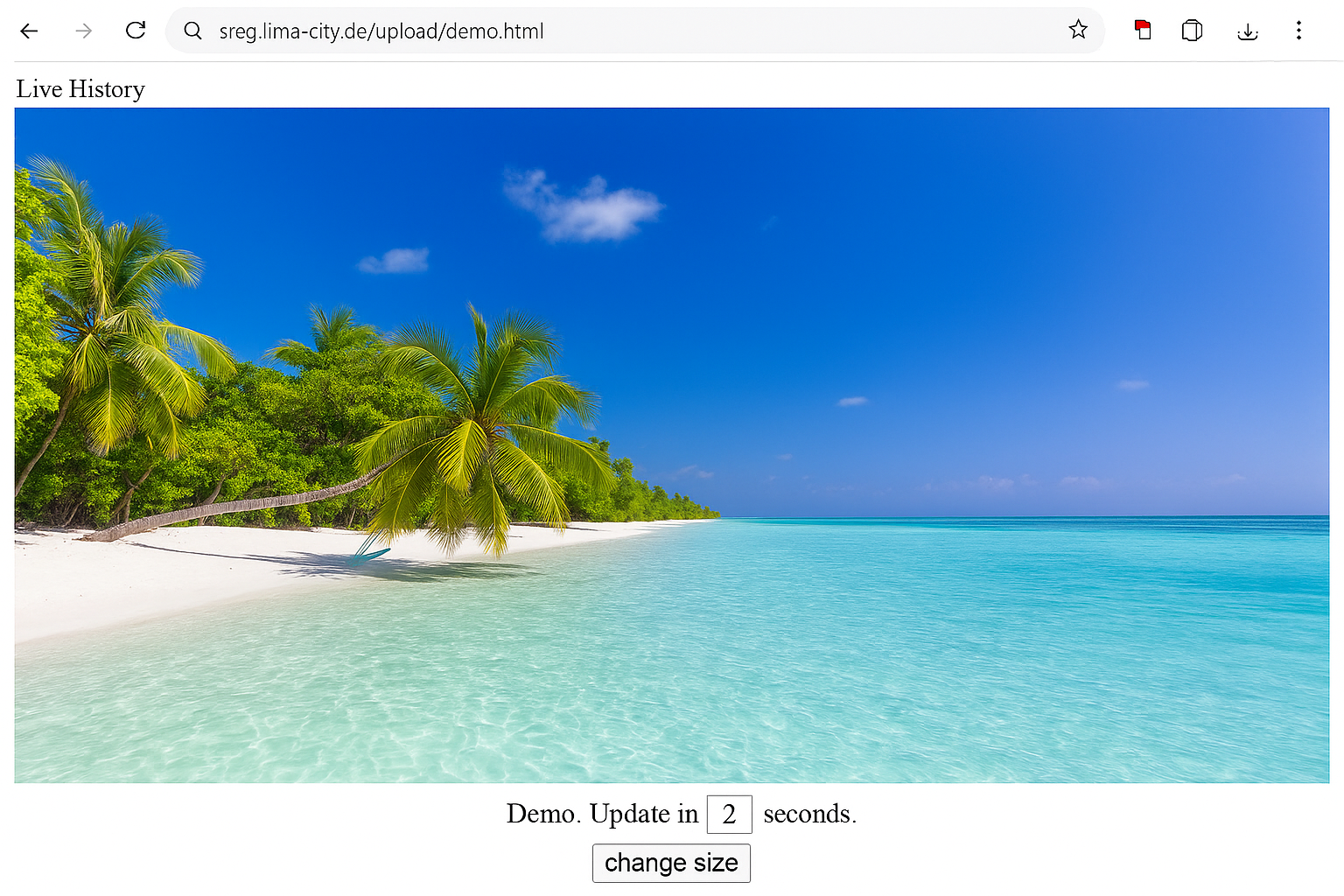
Example: a single company PC shown in a larger live view for coaching/troubleshooting. Illustration only. Legal admissibility depends on your country, use case and internal rules.
5. Best practices to set up a “screen wall” that supervisors actually use
- Group by team/shift: Sales, Support, Retention, Night Shift. A wall is useful only if supervisors can find the right PCs quickly.
- Use a dedicated supervisor display: a large monitor/TV in the supervisor area, or a dedicated workstation in full-screen browser mode.
- Define a clear purpose: training supervision, QA spot checks, incident response. Avoid “monitor everything” framing.
- Restrict access: use least-privilege and role-based operational rules (who may view which team).
- Use screenshot history selectively: enable it only with a defined reason and retention rules reviewed by counsel.
Reminder: transparency, consent and admissibility are legal topics. Clarify them with qualified legal counsel in your jurisdictions.
6. Installation checklist for call centers (safe, IT-friendly)
The installation itself is typically fast, but call centers should deploy it like a professional IT change:
- Define scope: which teams/PCs are included (start with one team or a pilot).
- Confirm device ownership: preferably company-controlled Windows PCs.
- Plan access control: who is authorised to view the dashboard (shift leads/QA only).
- Coordinate with IT/security: ensure endpoint protection and policies remain active. If security software blocks components, follow your organisation’s security policy and vendor guidance rather than disabling protections.
- Roll out in waves: 5 PCs → 20 PCs → full floor, validating stability and supervisor workflows.
- Document internal policy: clarify purpose, process, escalation steps, and (where required) employee information.
This checklist keeps deployment controlled and reduces operational surprises during peak hours.
7. Video Part 1: Call Centers — Build a Live Screen Wall (Dashboard)
This video shows the supervisor view: a live grid wall that lets you see all agent screens at once, open a single agent PC in a large view, and (optionally) check screenshot history.
Disclaimer: this video is for technical illustration only and is not legal advice. Use monitoring software only where lawful in your country and for your specific use case (for example training supervision). Where required, inform users and obtain consent. Always get independent legal advice before deployment.
Video: “Call Centers Build a Live Screen Wall for Supervisors (Dashboard)”.
8. Video Part 2: Call Centers — Installation (Practical Setup)
This follow-up video completes the demo by showing the installation flow and what supervisors typically set up before testing it on agent PCs.
Disclaimer: technical illustration only; not legal advice. Do not disable security controls. Coordinate installation with your IT/security team and follow your internal policies and local laws.
Video: “Call Centers Build a Live Screen Wall for Supervisors (Installation)”.
Frequently Asked Questions – Call Center Screen Walls
No. KPI wallboards display metrics (queue, AHT, service level). A live screen wall displays agent screens in real time. Many centers use both.
Yes. Typically you use the grid as radar and open the specific PC for coaching or troubleshooting.
Only if you have a defined operational reason and a legally reviewed retention/access policy. Many teams start with live view only.
Often yes, but requirements vary widely by country and scenario. Always consult qualified legal counsel. This article is not legal advice.
Conclusion
A live screen wall can make call center supervision faster and more practical: spot issues early, coach new agents, and triage incidents in seconds — as long as the deployment is lawful and governed properly.
A pragmatic rollout approach is:
- start with a small pilot team,
- keep the scope and access tightly controlled,
- use the wall primarily for training supervision, QA and incident response,
- and obtain independent legal advice before full deployment.
Want to see how a live screen wall would look in your call center?
Start 14-Day Free Trial
Wolfeye is monitoring software. Any use must comply with the laws and regulations that apply in all relevant countries, your industry and your specific use case (for example, supervision of training, quality assurance or security). In many jurisdictions, admissibility depends on factors such as prior information of users, explicit consent, contractual terms, works council rules and data protection requirements. This article and the embedded videos are for general technical and organisational information only and do not constitute legal advice or a guarantee of legal admissibility.
Before using any monitoring software such as Wolfeye, always obtain independent legal advice in all relevant countries about whether and how you may monitor company-controlled PCs (for example for training supervision, quality assurance or security), and under which conditions users must be informed or give consent.