New Staff & Freelancers: How to Monitor and Verify Their PC Activity on Company PCs (Screen Monitoring & Proof of Work)
A practical, non-legal guide for SMBs and IT providers: how to keep an eye on new employees and freelancers on company PCs, verify their screen activity and get proof of work – without building a complex time tracking system.
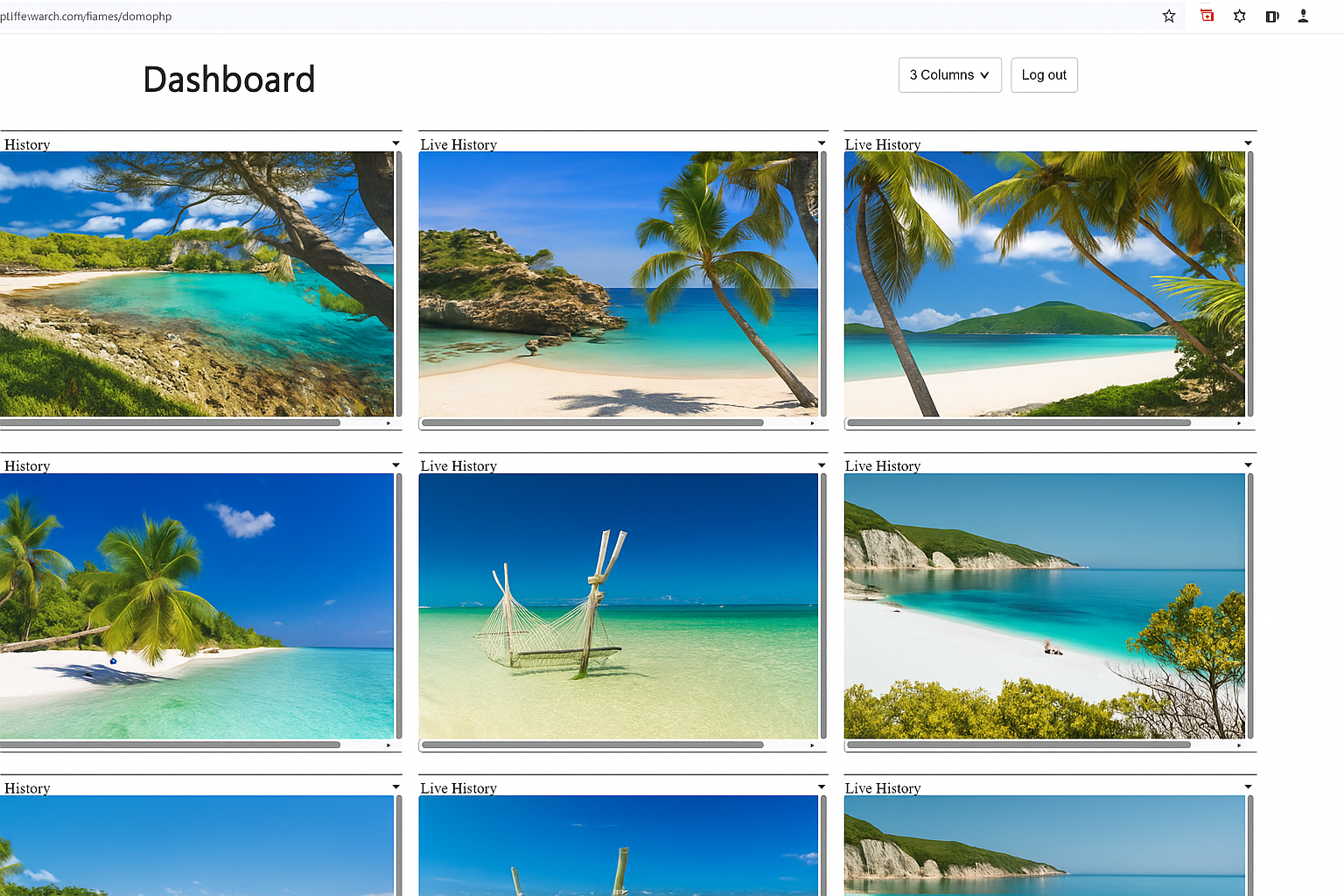
Example of monitoring new staff and freelancers on selected company PCs in one central live screen dashboard.
For many small and mid-sized businesses, the most sensitive moments are not when long-term employees are working – but when new staff and external freelancers join the team.
Typical questions owners and IT service providers ask themselves:
- “Is this new employee really working in the systems we agreed on?”
- “Can we verify what our remote freelancers did during the hours they billed?”
- “How can we see the actual PC activity without setting up a heavy time tracking solution?”
In this article, you will learn:
- What “monitoring and verifying PC activity” technically means in the context of new staff and freelancers
- How live screen monitoring and screenshot history can provide practical proof of work on company PCs
- Typical use cases for onboarding, probation periods and external freelancers
- How to implement Wolfeye step by step for new hires and external staff
- Best practices for using such insights responsibly and purposefully in everyday business
1. Why New Staff and Freelancers Are a Special Case
For long-term employees, workflows and behaviour are often well known. With new staff and external freelancers, however, there is much more uncertainty:
- You do not yet know their working style and habits.
- They often work remotely or on flexible schedules.
- They may handle sensitive processes or customer data from day one.
At the same time, you have a very practical need:
- Onboarding and training: are they actually following the processes you showed them?
- Quality and productivity: do they spend their time in the agreed tools and systems?
- Proof of work: if a freelancer invoices 20 hours, can you see roughly what happened on the screen during that time on the company PC?
Without a technical way to see what happens on company PCs, many owners “fly blind” in these crucial first weeks.
Time tracking alone (for example, hours logged in project tools) is often not enough – it shows how long someone worked, but not how they worked. Live screen monitoring and screenshot history can add a visual layer of transparency on top of your existing tools.
Important: this article describes technical possibilities and organisational use cases. It does not answer legal questions. Whether and how you may use monitoring tools in your specific situation must always be clarified separately with qualified legal counsel.
2. What Does “Monitoring and Verifying PC Activity” Actually Mean?
When we talk about “monitoring and verifying PC activity” for new staff and freelancers, we are not necessarily talking about complicated metrics or detailed keylogger-style monitoring. In many SMB use cases, the following is sufficient:
- Live screen view: you can see the current screen of a company PC in real time.
- Screenshot history: you can look back at screen snapshots from specific periods (for example, yesterday morning or last Tuesday afternoon).
- Selection of relevant PCs: you focus on company devices used by new employees or freelancers, not on every single machine.
This combination allows you to answer questions like:
- “Which tools were open while this freelancer was logged in?”
- “Did the new employee work in the CRM system during the onboarding phase?”
- “What was happening on the PC during this time slot that is now being discussed?”
In Wolfeye, this is realised by installing a small software agent on each company PC you want to monitor. The agent sends the screen content to a central dashboard:
- You can view live screens in a grid view.
- You can open the screenshot history to review past activity on a timeline.
The goal is practical visibility and proof of work, not total surveillance of everything at all times. Internally, you should define which PCs are monitored, in which situations the dashboard may be used and who has access to it.
3. Use Case 1: Monitoring New Employees During Onboarding and Probation
The first days and weeks with a new employee are crucial. They have to learn systems, processes and expectations – often in a hybrid setup with home office days.
With a live screen dashboard and screenshot history on company PCs, you can support this phase more actively:
3.1 See whether training content is really being applied
- After a CRM or ERP training session, you can verify whether the new employee actually works in these systems during their day.
- You can spot misunderstandings early: if you see the wrong system or screen being used, you can offer additional coaching.
3.2 Support without constant calls or messages
- Instead of asking “What do you see now?” repeatedly, a team lead can briefly check the live screen.
- This saves time on both sides and reduces stress for new staff, because they can continue working while being supported.
3.3 Document selected phases of the probation period
- In some organisations, it is helpful to have a visual record of activity on key company PCs during the probation phase.
- Screenshot history can complement performance reviews and make discussions more concrete (“This is the kind of work you did in week 1 vs. week 4”).
All of this should follow clear internal rules: which roles are monitored in this way, which managers have access and how the insights are used (for example, mainly for training and quality, not for micromanagement).
4. Use Case 2: Freelancers and External Staff – Proof of Work on Company PCs
Freelancers and external contractors are important for many SMBs. But they also raise practical questions:
- They often work remotely and autonomously.
- They may bill by the hour or day.
- They sometimes handle critical systems (for example, support, content, data entry).
When freelancers work on company PCs (for example, via remote desktop into an office machine or on a dedicated device), screen monitoring can provide a useful layer of transparency:
4.1 Cross-checking time entries with real screen activity
- If a freelancer invoices 10 hours on a certain day, screenshot history can show which applications were open and how the PC was used during that period.
- This does not replace your contracts or project management tools, but it adds a visual cross-check.
4.2 Protecting critical systems and data
- For sensitive systems (for example, CRM, billing, ticketing), you can limit freelancers to specific company PCs that are monitored.
- Live view and screenshots help you see if systems are used as agreed and in line with your internal processes.
4.3 Building trust and clarity
- Clear agreements plus transparent tools often build more trust than vague expectations.
- You can explain to freelancers that company PCs are monitored for quality and security reasons and that this is part of your standard setup.
Important: in practice, you should always define your expectations and policies in writing. This article can give technical and organisational ideas, but it does not replace individual legal advice or contractual agreements.
5. Implementing Wolfeye for New Staff and Freelancers – Step by Step
Every environment is different, but many SMBs and IT service providers follow a similar pattern when they introduce Wolfeye for new employees and external staff.
- Define scope and objectives
Clarify which roles and PCs you want to monitor. Typical starting points:- New staff during onboarding and probation.
- Freelancers working on specific company PCs.
- Critical roles such as support, content production or data entry.
- Prepare internal policies and communication
Discuss internally who will have access to the dashboard and for what purposes (for example, training, quality assurance, process support). Any legal questions should be clarified with qualified experts in your country before rollout. - Install Wolfeye on selected company PCs
On each Windows PC you want to include, install the Wolfeye software. Once installed, the PC can send its screen to your Wolfeye dashboard and create a screenshot history. - Configure views for managers and IT providers
In the dashboard, you can group PCs logically (for example, “New staff”, “Freelancers”, “Support”). This makes it easier for managers and IT providers to focus on the relevant screens. - Start with a small pilot and refine
Test the setup with a limited number of PCs and roles. Based on the experience, refine:- Which PCs should be monitored permanently.
- Who needs which level of access.
- How insights from screens and screenshot history are used in everyday processes.
The goal is a focused setup that supports your business – not an overcomplicated monitoring environment that nobody uses.
6. Best Practices for Responsible and Purpose-Driven Use
Monitoring new staff and freelancers on company PCs can be very helpful – but how you use it in practice is crucial. A few general organisational best practices:
- Use monitoring with a clear purpose: focus on onboarding, quality, security and proof of work – not on monitoring everything “just in case”.
- Limit access: only give dashboard access to roles that actually need it (for example, specific managers, owners, IT providers).
- Define which PCs are monitored: concentrate on company devices and specific roles instead of all machines.
- Combine monitoring with coaching: use what you see to improve training and processes, not only to criticise mistakes.
- Document internal rules: write down how and when screen monitoring and screenshot history may be used in your organisation.
These are general organisational suggestions, not legal guidelines. What is required or allowed in your specific country, industry and situation can differ significantly. Before introducing monitoring of employee or freelancer screens, you should always clarify the legal framework for your case with qualified legal counsel in your region.
7. Live Demo: New Staff & Freelancers in a Wolfeye Dashboard
The video below shows a live demo of Wolfeye focused on new staff and freelancers. You will see how company PCs appear in the dashboard, how live screens work in practice and how you can use the view to understand PC activity better.
Video: Live demo of using Wolfeye to monitor new staff and freelancers on company PCs. The demo illustrates technical possibilities and everyday use. It is for general information only and does not replace legal advice.
Frequently Asked Questions – Monitoring New Staff & Freelancers on Company PCs
To see a PC in the Wolfeye dashboard and to record screenshot history, the Wolfeye software must be installed on that machine. Many companies start with a limited set of company PCs for new staff and freelancers and expand step by step. The exact rollout should be planned with your IT team or service provider.
Not necessarily. Many organisations use both: time tracking for hours and budgets, screen monitoring for visual proof of work and process quality on company PCs. Which combination makes sense for you depends on your processes and should be defined individually.
Wolfeye is typically used on company-controlled PCs. Whether and under which conditions you may monitor private devices is a complex legal question that depends on your country, your contracts and your specific situation. You should always clarify this with qualified legal counsel before considering it.
This depends entirely on the laws and regulations in your country, your industry and your specific situation. Wolfeye only provides the technical possibility to see screens and screenshot history. Whether, how and under which conditions you may use such tools must always be clarified with qualified legal counsel. This article and the demo video are for general technical and organisational information only and do not constitute legal advice.
Conclusion
New staff and freelancers can bring a lot of value – but also uncertainty.
With a focused live screen dashboard and screenshot history on company PCs, you can make this phase more transparent: you see which tools are used, how processes are followed and what actually happened on the screen during billed hours.
Wolfeye is designed to provide exactly this visual layer: live screens and screenshot history on selected company PCs, technically lightweight and easy to roll out. It does not replace your contracts, time tracking or RMM tools, but complements them when you need practical proof of work and better visibility.
At the same time, monitoring new staff and freelancers is always a sensitive topic. Every organisation should define clear internal rules, limit access and clarify legal questions separately. This article cannot give legal advice and does not state what is permitted in any specific country. A pragmatic approach is to start with a small pilot group of company PCs, test how a live dashboard and screenshot history help your onboarding and freelancer workflows, and then make informed decisions together with management, IT and – where appropriate – legal advisors.
Want to monitor and verify PC activity of new staff and freelancers on company PCs?
Start 14-Day Free TrialWolfeye is monitoring software. Any use must comply with the laws and regulations that apply in your country and situation. This article is for general technical and organisational information only and does not constitute legal advice or a guarantee of specific results.