Business Owner Tutorial: How to See What Employees Are Doing on Their Computers in Real Time
A practical, non-legal guide for business owners and managers: what “seeing what employees are doing on their computers in real time” technically means on company-controlled PCs, how to use a live screen dashboard in everyday management – always subject to the laws and regulations that apply in your country and use case.
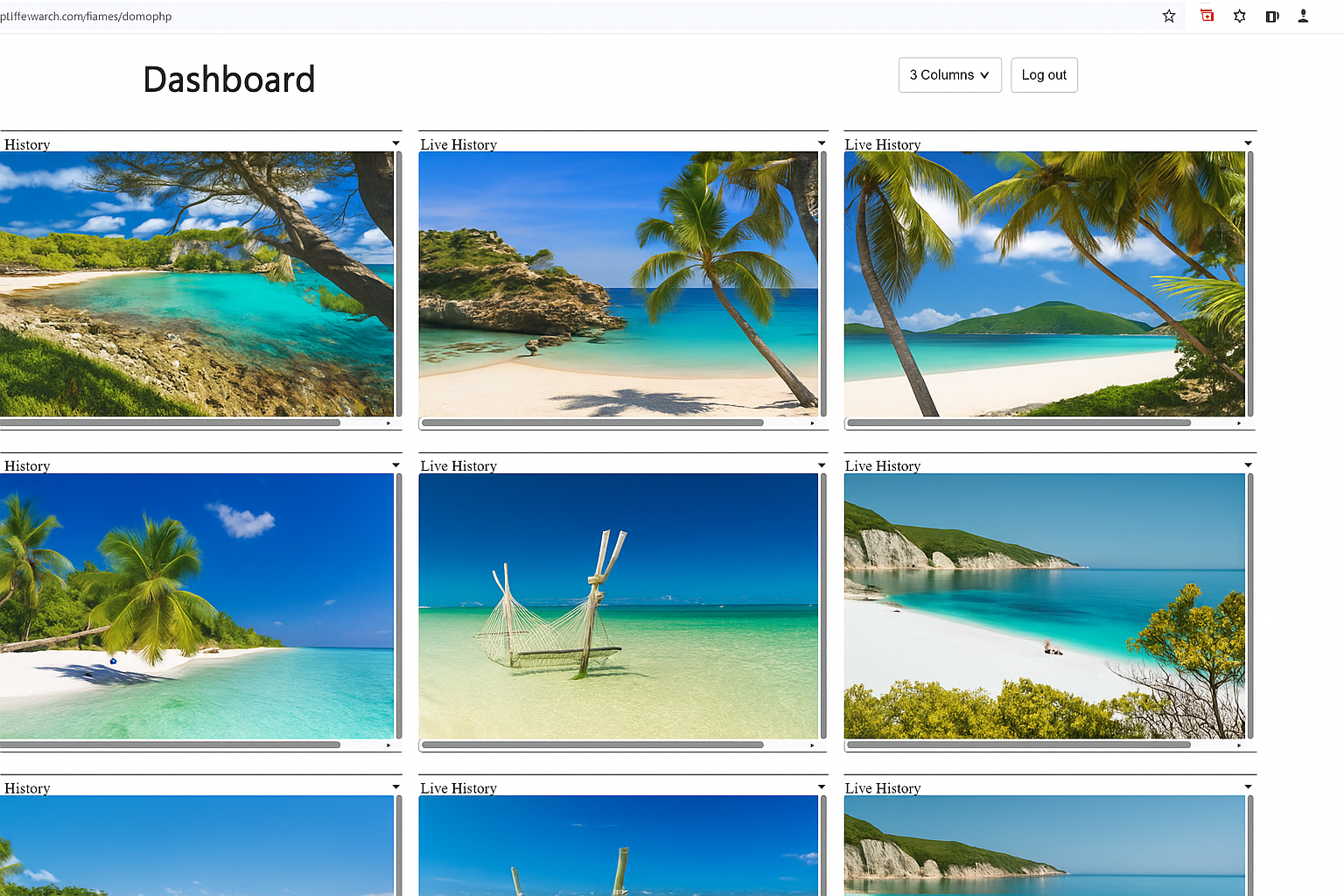
Illustrative Wolfeye dashboard showing several company-controlled PCs at once. Image for technical illustration only; any real use of monitoring must comply with the applicable laws and regulations.
If you run a small or mid-sized business, you have probably asked yourself questions like:
- “What exactly are my employees doing on their computers during the day?”
- “Can I see in real time how work is actually done on key company PCs?”
- “Is there a way to get a clear overview without asking for constant reports?”
At the same time, screen and employee monitoring is always a legally sensitive topic. Whether you may use such software at all, for which purposes (for example, supervision of training, quality assurance or security) and under which conditions (for example, prior information of employees, explicit consent, internal agreements) depends on the laws and regulations that apply in your country, your industry and your specific situation.
This article does not provide legal advice. It does not make any statement about what is allowed in any particular country or scenario. Instead, it shows from a technical and organisational point of view how a business owner can work with a live screen dashboard on company-controlled PCs – once legal questions have been clarified.
Before you deploy Wolfeye or any other monitoring software, you should always obtain individual legal advice in your region. Legal experts can help you clarify, for example:
- whether and under which conditions monitoring of company PCs is allowed at all,
- for which use cases (for example, training supervision, quality checks, security) it may be permissible,
- whether employees or users must be informed in advance or give consent,
- and which internal policies or agreements are necessary in your company.
1. What “Seeing What Employees Are Doing on Their Computers in Real Time” Really Means
When business owners talk about “seeing what employees are doing on their computers”, they often mean very different things. From a technical perspective with Wolfeye Remote Screen, it usually means:
- On selected company-controlled Windows PCs, a small software component (agent) is installed.
- These PCs send their screen contents to your Wolfeye dashboard via the internet.
- In the dashboard, authorised persons can see the screens in near real time as live views.
- Optionally, a screenshot history can be stored so you can later review what was visible on the screen at certain times.
Technically, you do not get “mind reading” or automatic judgement about whether work is good or bad. What you get is a visual window into selected company PCs:
- Which applications are open?
- Which websites are on the screen?
- Is the employee currently working in the CRM, ERP or ticket system as expected?
How you interpret what you see and how you act on it is a management and legal question. This article can only describe technical possibilities and typical organisational patterns.
2. Typical Use Cases for Business Owners (Wherelegally Permitted)
From a business owner’s perspective, live screen monitoring on company PCs is rarely about spying on individuals. More often, it is used – where legally allowed – for very concrete, operational questions such as:
- Understanding how processes are actually executed: How do employees handle tickets, orders or data entry on screen?
- Supporting training and onboarding: Do new employees follow the steps shown in the training when they work in the live system?
- Seeing a cross-section of daily activity: Are the right tools being used on key workstations during peak times?
- Clarifying specific incidents: If something went wrong in a process, what was visible on the screen around that time?
In all of these scenarios, the focus is on company-controlled devices and on defined purposes such as training, quality assurance or security – always within the legal limits of your country and any internal agreements (for example, with a works council).
Example: Wolfeye dashboard with several company-controlled PCs visible at once. Image for technical illustration only. Any real use of monitoring must comply with the laws and regulations that apply in your country, your industry and your specific use case.
3. How the Live Screen Dashboard Works for Owners – in Simple Terms
The technical foundation behind the business owner tutorial in the video is straightforward:
- Installation on company PCs
Wolfeye software is installed on each company-controlled Windows PC that you want to see in the dashboard. Only PCs with the software can be monitored. - Connection to your Wolfeye account
After installation, these PCs connect to your Wolfeye environment. They appear as tiles in your dashboard. - Live view and screenshot history
By clicking on a tile, you can open a live view of that PC. Depending on configuration, you may also see stored screenshots from the past. - Role and access control
You decide which people in your company (for example, owner, team leads, selected trainers) are allowed to see which groups of PCs.
That’s the technical basis for the tutorial: a dashboard in which you, as a business owner, can see what is happening on selected company PCs in real time – in a way that is easy to understand even without a deep IT background.
4. Four Practical “Viewing Routines” for Business Owners
Once the system is set up, many owners develop simple viewing routines that fit into their day. Examples (always assuming the use is legally permitted and properly communicated):
4.1 Morning check of key workstations
In the morning or at the beginning of a shift, you briefly open the dashboard and look at a selection of important PCs – for example support, dispatching or back office. You check:
- Are the expected systems open?
- Does everyone seem to be logged in and ready?
- Do you notice anything unusual on the screens?
4.2 Accompanying new hires during onboarding
When new employees start, it can be helpful (where legally allowed) to see how they work in the live system:
- Do they find the right screens in CRM or ERP?
- Do they follow the process steps shown in training?
- Where do they get stuck on the screen?
Instead of relying purely on feedback, you see the actual screen and can offer targeted coaching.
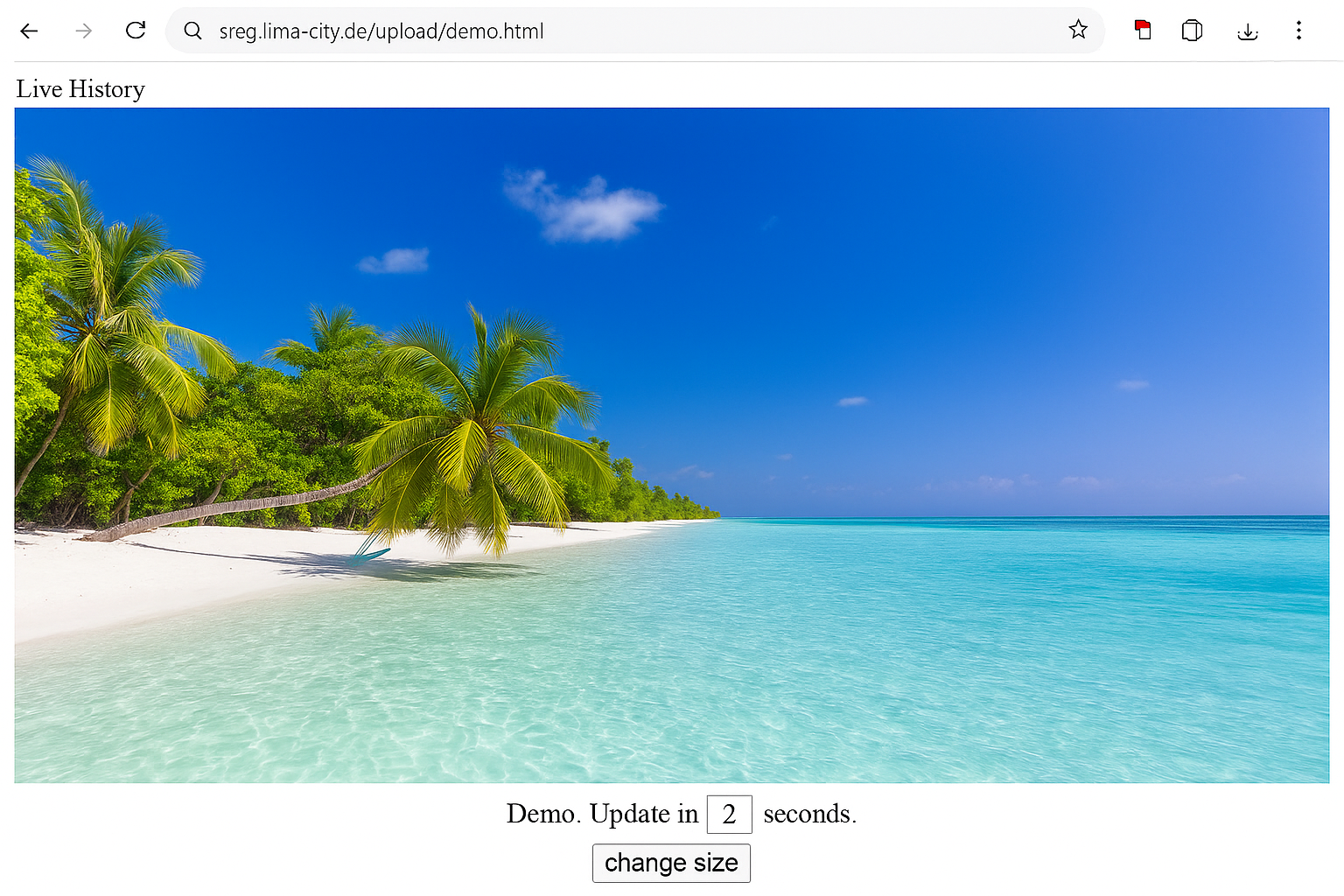
Example: live view of a single company-controlled PC in Wolfeye Remote Screen. The image shows the technical possibility of viewing a screen; whether and how such monitoring is allowed in your case depends on the laws in your country and your specific use case.
4.3 Spot checks during the day
Some owners – again, where legally compliant – use short spot checks instead of permanent observation. They open the dashboard a few times per day to get a cross-section of what is happening on key PCs:
- Are the right tools in use during peak periods?
- Is the team focused on the core tasks?
- Do support and back office work in the intended systems?
4.4 Clarifying specific cases or incidents
If something has gone wrong (for example, wrong data entry or a missed step in a process), the screenshot history can help you understand what was visible on the screen at the relevant time – purely from a technical perspective.
Whether and how you may use such information in HR processes or disciplinary procedures is a legal question and must be clarified with legal counsel. The software itself does not decide what is allowed or appropriate.
5. Best Practices for Responsible Use as a Business Owner
Because the topic is sensitive, many owners adopt some basic best practices to use live screen monitoring responsibly:
- Clear purposes: define in writing for which purposes monitoring may be used (for example, training support, quality assurance, security).
- Limited scope: include only company-controlled PCs that are genuinely relevant for these purposes.
- Restricted access: limit dashboard access to a small group of authorised persons and use role-based access where possible.
- No constant micro-monitoring: use short, targeted viewing routines instead of permanent “looking over the shoulder”.
- Transparency where required: where laws or agreements demand it, inform employees properly and document what you are doing.
The exact implementation of these best practices depends on your country, your industry and your internal culture – and should always be aligned with legal and HR experts.
7. Video Tutorial: Business Owner Walkthrough – How to See What Employees Are Doing on Their Computers in Real Time
The following video is a business owner tutorial that shows how you can see what employees are doing on their computers in real time on company-controlled PCs using Wolfeye Remote Screen.
The video is a technical and organisational demo only and does not replace legal advice. It does not guarantee that any particular use is lawful in your country or in your specific situation.
Video: “Business Owner Tutorial – How to See What Employees Are Doing on Their Computers in Real Time”. The video illustrates what is technically possible with Wolfeye Remote Screen on company-controlled PCs. It does not make any statement about what is legally permitted in any country or specific use case.
Frequently Asked Questions – Business Owners & Real-Time Screen Monitoring
No. Once the initial setup has been done (often by your IT provider or internal IT), the dashboard is designed so that non-technical owners and managers can open live views and see what is happening on selected company PCs. This article focuses on that business owner perspective.
Technically, yes – as long as they work on company-controlled PCs on which Wolfeye is installed and connected to your dashboard. Whether and under which conditions monitoring in home office scenarios is allowed in your country is a legal question and must be clarified with legal counsel.
This depends on your technical configuration and internal policies. From a legal and data protection perspective, storage duration, access rights and deletion rules should always be defined together with your legal advisors and, where applicable, data protection officers.
From a technical point of view, Wolfeye shows screen contents in real time and, optionally, screenshot history. It is not a dedicated time tracking system and does not replace employment contracts, HR tools or data protection management. Whether and how you may use screen information for performance assessment is a legal and HR question, not a purely technical one.
Conclusion
For business owners, “seeing what employees are doing on their computers in real time” is first and foremost a technical possibility – not an automatic permission.
Technically, Wolfeye Remote Screen can provide:
- a live view of selected company-controlled PCs,
- optional screenshot history to better understand what happened on screen,
- a dashboard that makes such information accessible even for non-technical owners and managers.
- better understand how key processes are executed on screens,
- support training and onboarding on company devices,
- and get a realistic cross-section of daily activity on important workstations.
A pragmatic owner-friendly approach can be:
- first define your intended use cases on paper (for example, “training PCs in department X”, “support workstations during onboarding”),
- then discuss them with your IT provider, HR and legal advisors,
- and only then roll out a small pilot on clearly defined, company-controlled PCs – within the boundaries set by law and your internal policies.
Want to see how a live screen dashboard could look in your own company?
Start 14-Day Free Trial
Wolfeye is monitoring software. Any use must comply with the laws and regulations that apply in your country, your industry and your specific use case (for example, supervision of training, quality assurance or security purposes). In many jurisdictions, the admissibility of monitoring depends on factors such as prior information of employees, explicit consent or further formal requirements. This article and the embedded video are for general technical and organisational information only and do not constitute legal advice or a guarantee of legal admissibility.
Before using any monitoring software such as Wolfeye, always obtain independent legal advice in your country about whether and how you may monitor company-controlled PCs (for example in training supervision, quality assurance or security scenarios) and under which conditions employees or users must be informed or give consent.