Beyond Logs: How MSPs Verify Suspicious PC Activity with Live Screen Monitoring
A composite (fictional) walkthrough: why logs aren’t enough, what visual evidence can confirm, how to roll out with access control and short retention, and what outcomes to expect. Technical information only — not legal advice.
Composite example + important disclaimer: This article describes a fictional, composite scenario based on common operational patterns. It does not refer to any real company or real individuals. Monitoring can be legally sensitive. Use monitoring software only if it is lawful in your country and for your specific use case (e.g., security incident triage, training supervision or QA). Where required, inform users and obtain consent. Always obtain independent legal advice before deployment.
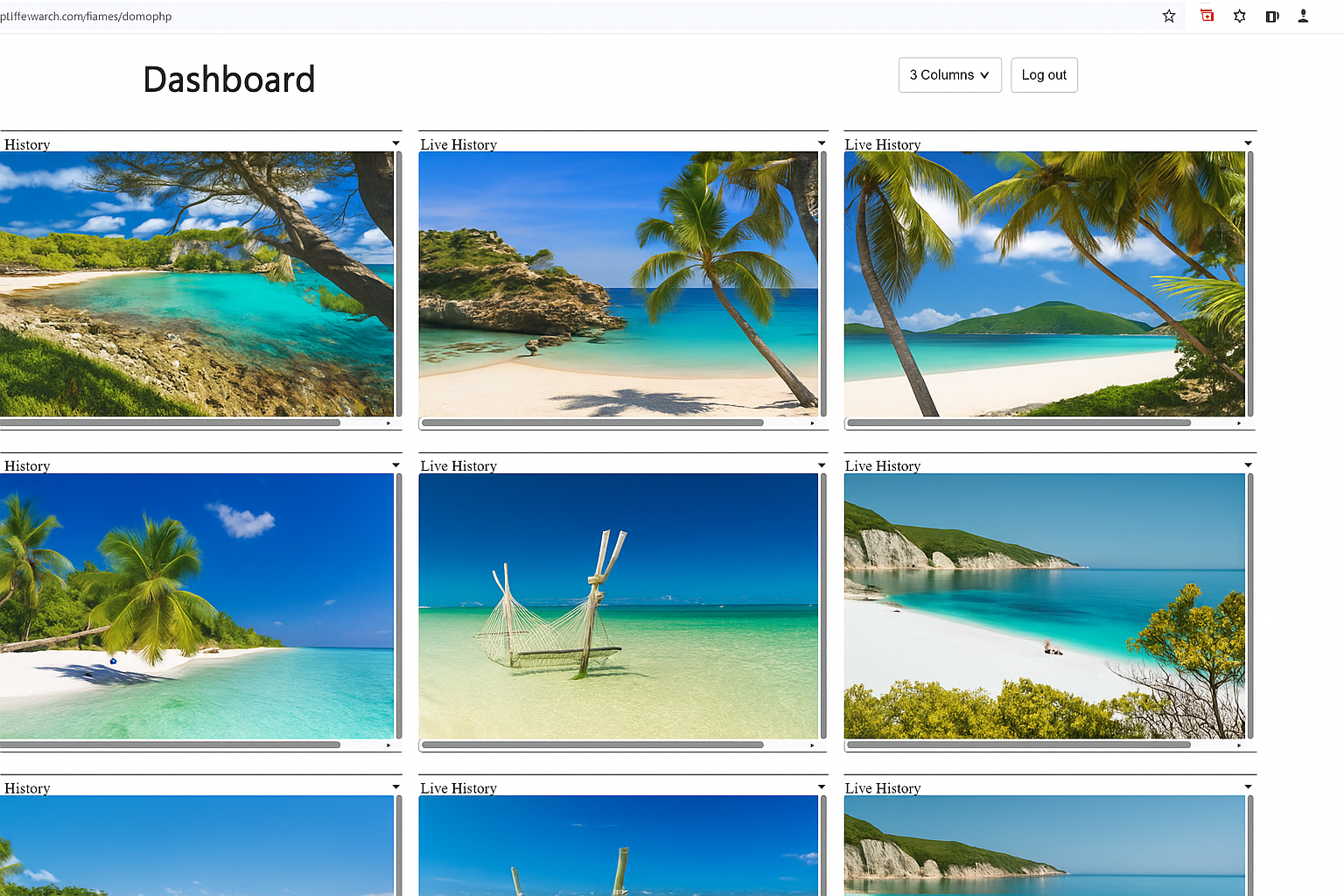
Illustrative grid view showing multiple company-controlled PCs. Any real monitoring use must comply with applicable laws, contracts and internal policies.
When something looks “off” on a company PC, IT teams often start with logs: endpoint telemetry, SIEM events, firewall records, RMM alerts, Windows Event Logs and SaaS audit trails. That’s essential — but it can also be incomplete.
Many real incidents (or productivity leaks) are ambiguous in logs until you add context: what was actually on the user’s screen when the alert fired? Was it a legitimate workflow or a risky pattern?
This composite case study shows how an MSP used live screen visibility (Wolfeye) to verify suspicious PC activity beyond logs — faster triage, fewer false positives, and clearer coaching opportunities — while using tight access control and short retention where enabled.
Reminder: This is technical/operational information only. It is not legal advice. Monitoring must comply with laws, contracts and internal policies in all relevant jurisdictions.
1. Background: a typical MSP scenario
An MSP supporting multiple SMB clients received recurring tickets like:
- “We suspect unapproved software on a few PCs.”
- “There may be unusual file handling or risky copy/paste.”
- “We saw a strange remote session / screen-sharing tool.”
- “Productivity dropped — but timesheets look normal.”
The MSP already had good tooling: RMM, endpoint protection, log collection and alerts. Yet the team kept running into the same friction: logs could indicate something happened, but not always what it looked like in context or whether it was benign.
Goal: add a visual “truth layer” for faster verification, while keeping deployment controlled and compliant (access restrictions, documented purpose, and required notices/approvals).
2. Why logs aren’t always enough
Logs are excellent for detection — but verification often needs context. Common challenges:
- False positives: a process name or domain can be legitimate in one workflow and risky in another.
- Missing intent: a file transfer event doesn’t show whether it was policy-approved work or suspicious handling.
- Time-to-truth: correlating multiple telemetry sources can take hours during an active incident.
- Workflow issues: productivity drops may come from tool friction, not misconduct.
What visual evidence can confirm quickly: unapproved apps in active use, unusual windows/sessions, risky copy flows, repeated error loops, or users stuck in the same misconfiguration.
Example: Grid view of multiple company-controlled PCs in the Wolfeye dashboard. Image for technical illustration only. Any real use must comply with applicable laws, contracts and internal policies.
3. Implementation: a controlled rollout for verification & triage
The MSP implemented a pilot with a small set of company-controlled Windows PCs for a defined purpose: verify alerts and support incident triage, not “constant watching”. Key steps:
- Scope definition: document purpose (incident triage, security verification, workflow support), define which devices are in scope (company-controlled PCs), and define who can access the dashboard.
- Required notices/approvals: follow the client’s legal/policy process (user information/consent where required; internal approvals; works council/employee reps where applicable).
- Agent deployment: install the Wolfeye agent on pilot PCs. The design goal is to be lightweight and not interrupt work.
- Dashboard access control: restrict access to a small set of trusted roles (e.g., senior IT/security). Use strong passwords and least-privilege principles.
- Short retention (optional): if screenshot history is enabled, keep retention short (e.g., a few days) and restrict access. Align retention with the documented purpose.
- Operational workflow: use the grid as “radar” and open a single screen only when an alert/ticket needs verification.
Best practice: treat live screen visibility like access to sensitive logs — permissioned, audited where possible, and used only for a defined business purpose.
4. What the MSP verified faster with visual context
During the pilot, the MSP used visual context to confirm (or dismiss) suspicious patterns more efficiently:
- Unapproved software in active use: quickly distinguishing “installed but unused” vs. “actively used during work”.
- Risky file-handling patterns: spotting unusual copy flows, repeated downloads, or unexpected upload dialogs (verification step before escalation).
- Unexpected remote sessions: identifying whether an active remote tool window matched an approved workflow.
- Workflow bottlenecks: seeing repeated error loops or misconfigured tools that looked like “idle time” in metrics.
- Social engineering signals: confirming suspicious browser tabs or prompts that matched reported phishing behavior (then guiding users safely).
Instead of relying only on assumptions, the MSP could say: “We verified what was on screen at the time” — and then decide whether to coach, fix configuration, or escalate to a formal security response.
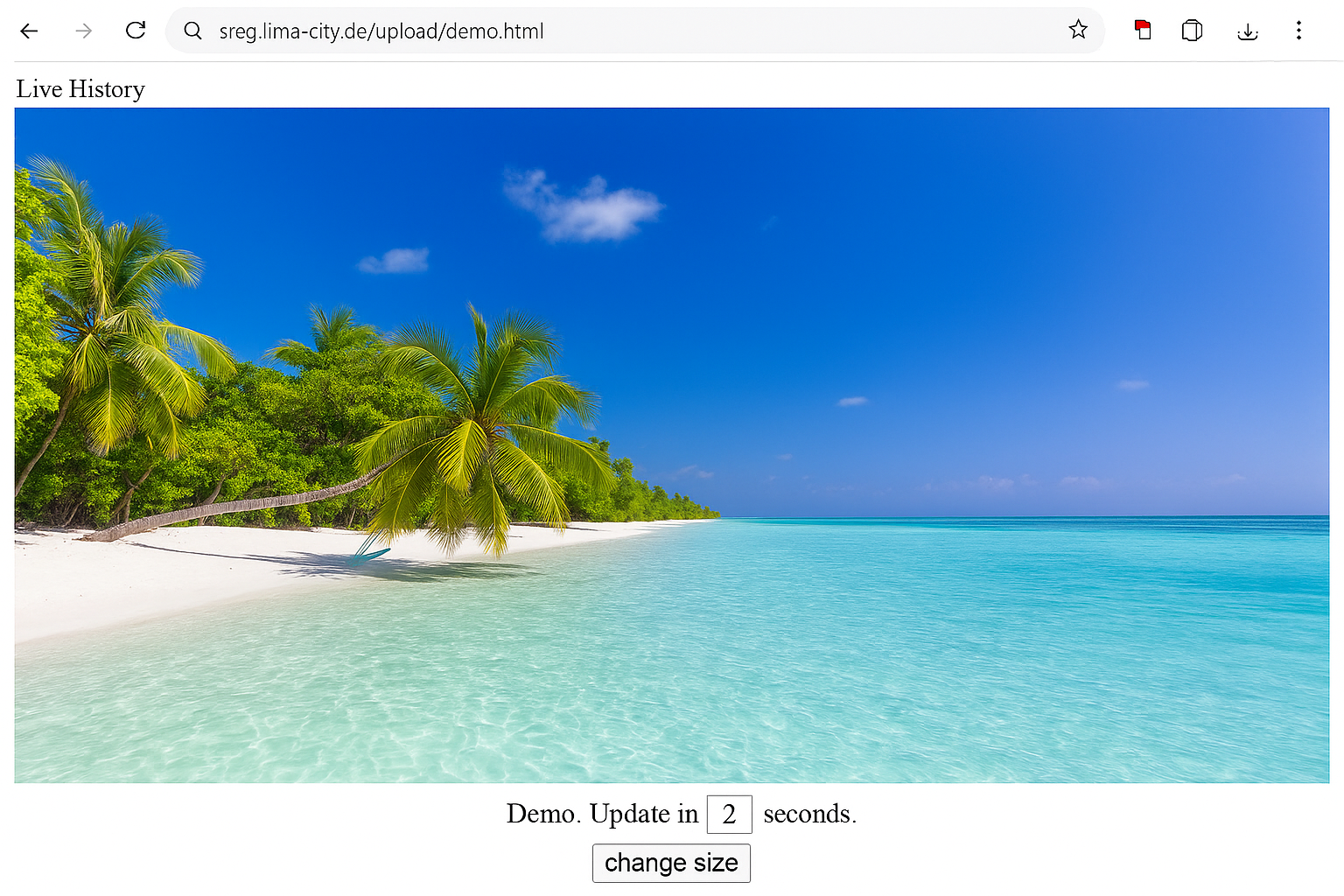
Example: One company PC opened in a large live view for verification and troubleshooting. Illustration only. Use only if lawful in your jurisdiction and for your use case.
5. Actions taken: resolve issues without micromanagement
The MSP focused on outcomes and support — not surveillance. Typical actions after verification:
- Remove or replace unapproved tools: standardize approved apps and reduce shadow IT.
- Fix workflow friction: resolve configuration issues that looked like “productivity leaks”.
- User coaching: short coaching sessions when users were stuck in repeated loops.
- Security hardening: tighten endpoint policies, block known risky domains, and update EDR rules based on verified patterns.
- Communication: align expectations with clear policy language and transparency requirements where applicable.
Important: keep access limited, define what is “in scope”, and avoid collecting more data than required for the defined purpose.
6. Results: what improved in the composite example
Note: The following numbers are illustrative for a composite scenario. Results vary by baseline, industry, tooling, and rollout design.
| Metric | Before | After | Change |
|---|---|---|---|
| Time-to-verify alerts | High variance | More consistent | Faster triage |
| False-positive escalations | Higher | Lower | Fewer unnecessary incidents |
| Workflow friction (tickets) | Recurring | Reduced | More stable operations |
| Productive focus time | Baseline | Improved | Depends on rollout |
The key improvement was not “watching people”. It was verifying suspicious events faster, reducing guesswork, and turning unclear alerts into clear actions.
7. Lessons learned for MSPs
- Use visual evidence as verification — not as a default state. Keep the grid as radar, zoom in only when needed.
- Lock down access. Restrict the dashboard to trusted roles and document who can view what.
- Keep retention short if you enable history. Align with purpose and approvals.
- Be transparent where required. Follow applicable notice/consent rules and client policies.
- Focus on outcomes. Fix workflows, reduce shadow IT, and escalate only when verified.
Final reminder: Monitoring rules differ by country and scenario. Always obtain independent legal advice before deployment.
8. Video: Detect Suspicious Behavior Early with Live Screen Monitoring
This video demonstrates a technical workflow for spotting suspicious behavior early using live screen visibility in the Wolfeye dashboard.
Disclaimer: technical demo only; not legal advice. Use monitoring software only if lawful in your country and for your use case. Where required, inform users and obtain consent. Always consult independent legal counsel.
Video: “Detect Suspicious Behavior Early with Stealth Live Screen Monitoring”.
FAQ – Live Screen Monitoring for Verification (MSPs)
No. Logs detect and record events. Live screen visibility helps verify ambiguous situations faster by adding context.
Use a narrow purpose (incident triage, workflow support), limit access, use short retention if enabled, and follow transparency requirements where applicable.
Often yes — requirements vary widely by country, contracts and scenario. This article is not legal advice; consult qualified counsel.
Not always. Many teams start with live view only. If you enable history, keep retention short and restrict access based on purpose and approvals.
Conclusion
Logs are essential — but visual context can make verification faster. For MSPs and IT teams, live screen visibility can reduce guesswork, help confirm suspicious patterns, and improve incident triage — when used lawfully, with clear governance and strict access control.
Want to verify suspicious PC activity faster — beyond logs?
Start 14-Day Free Trial
Wolfeye is monitoring software. Any use must comply with the laws and regulations that apply in all relevant countries, your industry and your specific use case (for example, incident triage, training supervision, quality assurance or security). In many jurisdictions, permissibility depends on factors such as prior information of users, explicit consent, contractual terms, works council or employee representative rules, and data protection requirements. This article and the embedded video are for general technical and organisational information only and do not constitute legal advice or a guarantee of legal admissibility.
Before using any monitoring software such as Wolfeye, always obtain independent legal advice in all relevant countries about whether and how you may monitor company-controlled PCs (for example for incident triage, productivity support, security or training supervision), and under which conditions users must be informed or give consent.