How to Monitor Company PCs Without Slowing Them Down
A practical CPU/RAM benchmark + lightweight setup checklist for SMB owners and IT service providers. Learn how to test performance impact in 15 minutes and avoid lag complaints during rollout.
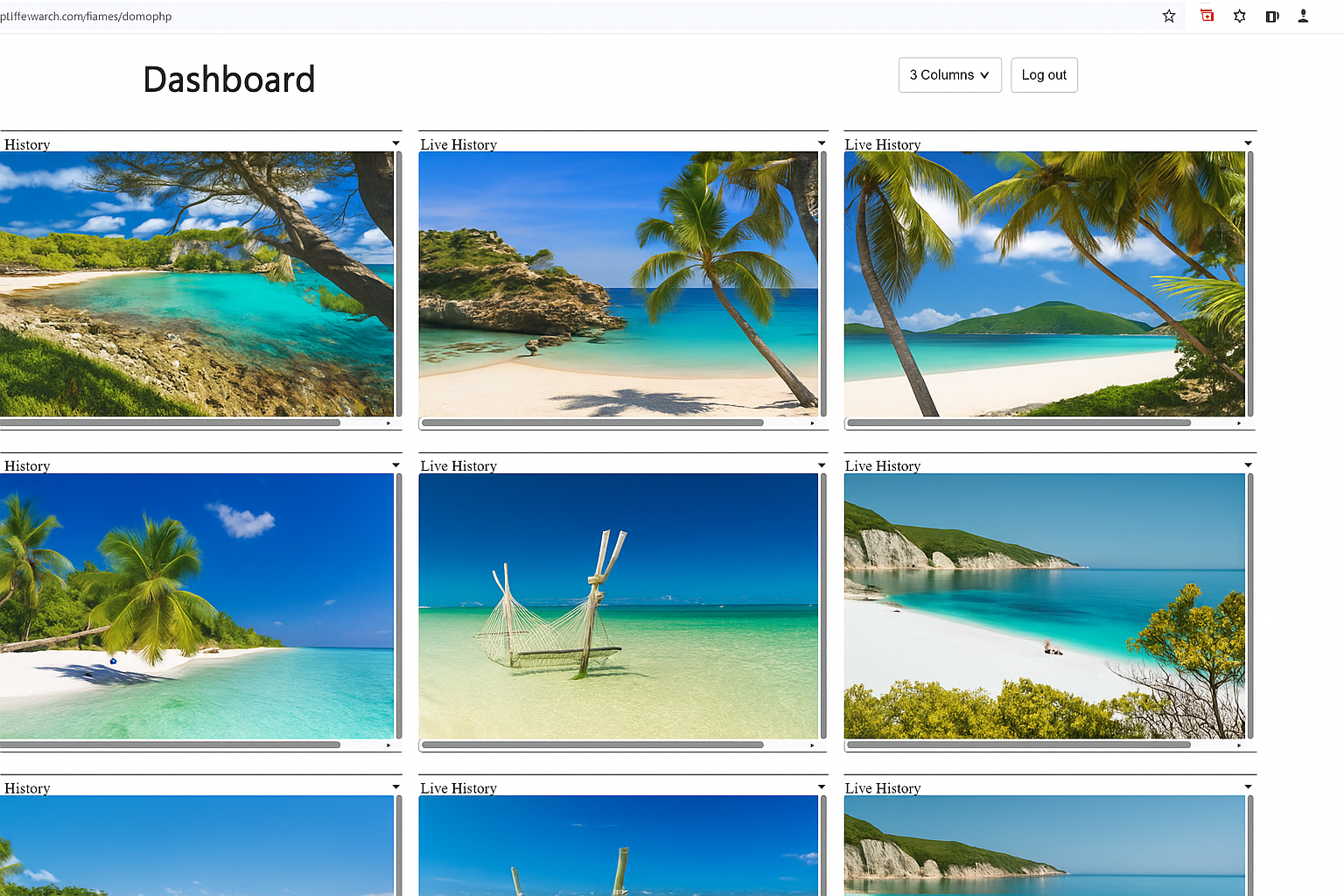
Illustrative grid view showing multiple company PCs. Use monitoring only if lawful in your country and use case, and follow internal policies and transparency requirements.
When a business considers live screen visibility, the first technical objection is almost always:
“Will monitoring software slow down our PCs?”
That concern is valid. Some products behave like continuous video streaming (high frame rates, constant encoding), or like heavy forensic suites that collect large volumes of data. Those approaches can increase CPU usage, generate sustained network traffic, and create end user complaints.
Wolfeye Remote Screen is designed to be lightweight: the live view is based on periodic screenshots (a fresh screenshot is sent roughly every 2–3 seconds, depending on setup) instead of a continuous video stream. Optional screenshot history is separate and typically stores one screenshot every few minutes (for example every 5 minutes, if enabled). This design is why many rollouts experience a low and predictable endpoint footprint compared to video-stream tools.
Important compliance note (no legal advice): Monitoring is only permissible if it is lawful in your country and lawful for your specific use case (for example training supervision, quality assurance, or security). In many jurisdictions you must inform users and/or obtain consent. This article and the embedded video are technical information only. Before deploying any monitoring software, obtain independent legal advice in all relevant countries and implement appropriate internal policies, transparency steps, and access controls.
15-minute pilot: prove it is lightweight (before you roll out)
Goal: measure CPU, RAM, disk and network impact on one real PC during real work.
- Baseline (5 min): Measure CPU and memory while the user works normally (Task Manager).
- Install + enable live sharing (5 min): Start Wolfeye on the same PC.
- Compare (5 min): Check whether CPU spikes or RAM growth are noticeable and whether user experience changes.
Keep your acceptance criteria simple: “No noticeable lag in the user workflow” + “no unexpected CPU spikes”. If results are good, expand to 3–5 PCs and repeat across different hardware profiles.
1) What “slowing down PCs” actually means (and what to measure)
To prevent complaints, you must define “slow” in measurable terms. For endpoint monitoring tools, there are five common bottlenecks:
1.1 CPU spikes
Users feel stutter or lag when CPU usage spikes (especially on older PCs). Video streaming solutions can increase CPU load because they encode frames continuously. Screenshot-based tools typically avoid a continuous high-FPS encoding pipeline.
1.2 RAM footprint and leaks
A lightweight background process should keep memory usage stable over hours and days. In a pilot, check whether RAM stays flat or grows steadily over time.
1.3 Disk I/O
Some monitoring tools write large local caches or logs. That can cause disk pressure (especially on older HDDs). With Wolfeye, live view is designed around sending periodic screenshots; optional history is separate and should be evaluated based on your configuration.
1.4 Network (uplink vs downlink)
Endpoint upload matters (PC → server), and viewer download matters (dashboard viewer → receives screenshots). Many performance complaints are actually network congestion, not CPU. The more tiles a supervisor displays at once, the more data the supervisor must download. Use the grid as a radar and open large live view only when investigating.
1.5 GPU and remote/VDI sessions
On certain workloads (design apps, 3D, VDI), perceived lag might be GPU-related or session-related. If you manage VDI or high graphics workloads, include at least one representative test device in your pilot.
Example: multiple company PCs visible side by side in a live grid view. In practice, limit viewer access to the roles that truly need it, and follow all applicable laws and internal policies.
2) Why screenshot-based live view is typically lighter than video streaming
The single biggest factor behind performance impact is whether the tool behaves like a video stream or like periodic screenshot updates.
2.1 Continuous video streaming tools
- Capture and encode frames continuously (often 10–30 frames per second).
- Maintain a constant pipeline of encoding and transfer.
- At scale, this can add CPU load on endpoints and can saturate uplinks (especially in home office).
2.2 Screenshot updates (Wolfeye approach)
- Capture a screenshot at a fixed interval (roughly every 2–3 seconds for live view).
- Send the screenshot over HTTPS so the dashboard can display the current screen.
- Avoid continuous high-FPS video encoding, which is often where heavy CPU usage comes from.
2.3 Optional screenshot history is separate
Many teams only need live visibility. If you enable screenshot history, treat it as a separate feature and test it separately. A practical approach is: start with live view only, validate performance, then enable history if you truly need after-the-fact review.
3) Real Task Manager example: what “lightweight” looks like
Below is a simple way to communicate performance impact to an IT stakeholder: show a screenshot from Windows Task Manager while the monitoring process is running.
Example snapshot (illustration): on a Windows test PC, the Wolfeye background process appeared as kernelw11.exe (32 Bit) and showed:
- CPU: 0%
- Memory: ~4.5 MB
- Disk: 0 MB/s
- Network: 0 Mbit/s (at the exact moment of the screenshot)
Important: this is only one moment in time and not a guarantee for every environment. Your exact numbers depend on the device, screen resolution, what is displayed, network quality, and whether multiple supervisors are actively viewing many screens at the same time. That is why a short pilot is the best way to validate in your own setup.
What matters most: user experience. If the employee does not feel any lag in their normal work, and you do not see suspicious CPU spikes in Task Manager, your rollout risk is low.
4) Step-by-step: how to benchmark CPU/RAM impact in 15 minutes
Use the following benchmark protocol for SMBs and for MSP deployments. It is quick, repeatable, and creates documentation you can share with stakeholders.
4.1 Choose a representative PC (do not cherry-pick)
- Pick a normal user device (not the newest IT laptop).
- If you have old and new hardware, test one of each.
- If you have remote users, test a real home office uplink during busy hours.
4.2 Record a baseline (5 minutes)
- Open Task Manager → Processes and Performance.
- Let the user work normally for 5 minutes (email, browser, ERP, call center app).
- Note typical CPU range and memory usage trends.
4.3 Install and enable Wolfeye (5 minutes)
- Install Wolfeye on the test PC.
- Start sharing and open the live view from your dashboard.
- Keep the user working normally while you view the screen.
4.4 Compare and document (5 minutes)
- Look for CPU spikes above baseline.
- Check whether memory stays stable.
- If you want deeper insight: use Windows Resource Monitor to view network and disk activity.
4.5 Repeat once with a “peak viewer” scenario
To simulate real usage, open the grid view with multiple screens and keep it visible for a few minutes. Performance impact is often driven more by the number of screens actively viewed than by the installation itself.
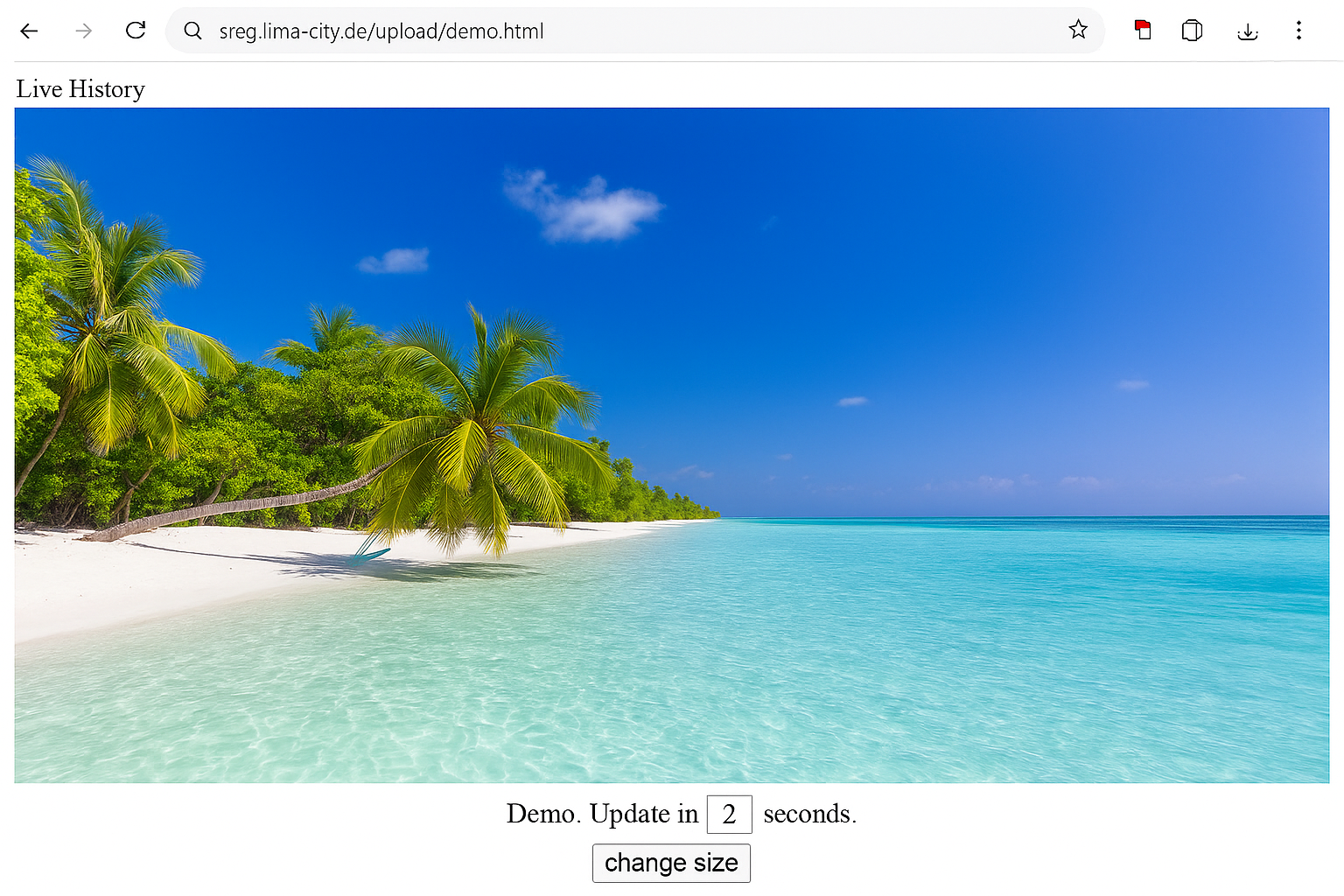
Example: one PC opened in a larger live view. Use large view for investigation and the grid as a radar to keep viewer traffic and workload predictable.
5) Lightweight rollout checklist (SMB & MSP)
This is the checklist that prevents the most common rollout mistakes and reduces support tickets.
5.1 Start small and scale
- Pilot 3–5 PCs first (mixed hardware if possible).
- Validate performance during a real busy period.
- Only then expand to 10, 50, 100+ devices.
5.2 Use operational workflows that reduce load
- Use the dashboard grid as a quick overview (radar).
- Open a single PC in large view only when needed.
- Avoid many supervisors watching many screens continuously without a real need.
5.3 Avoid avoidable friction with endpoints
- Test on at least one device with the standard endpoint security stack (AV/EDR) enabled.
- If your security product does intensive scanning, coordinate with your IT provider about allowlists and policy exceptions.
- Keep Windows and drivers up to date on older systems before blaming any monitoring tool for sluggishness.
5.4 MSP note: document purpose and access roles
Even though this article is not legal advice, MSPs reduce risk when they document: purpose (for example training supervision), who can view screens, and how transparency is handled by the client. This also improves client trust and reduces misunderstandings.
6) Troubleshooting: if someone reports lag
If an employee reports that their PC feels slow after rollout, do not guess. Use a structured approach:
6.1 Check whether it is endpoint CPU, memory, disk or network
- CPU high: identify which process spikes during the lag moment.
- RAM high: check whether the system is paging (disk activity increases).
- Disk high: older HDDs can bottleneck easily during Windows updates or AV scans.
- Network issues: remote uplinks and Wi-Fi congestion often cause stutter and delayed updates.
6.2 Reduce viewer intensity (often the quickest fix)
- Reduce the number of visible tiles.
- Limit how many people view screens simultaneously.
- Use live view only when needed and rely on workflow and policies.
6.3 Re-test and document
Repeat the 15-minute benchmark protocol on the affected device and compare it with a healthy reference device. This makes support conversations objective and fast.
7) Video demo: Lightweight setup (live view without slowing PCs)
This video shows the technical setup and how live screen visibility can run quietly in the background. It also illustrates why screenshot-based live view can be lighter than continuous video streaming.
Compliance reminder (no legal advice): Use monitoring software only if it is lawful in your country and for your specific use case (for example training supervision, QA, or security). Where required, inform users and obtain consent. Always obtain independent legal advice before deployment.
Video: “How to Monitor Company PCs Without Slowing Them Down (Lightweight Setup)”.
FAQ – Performance and lightweight rollouts
No. Wolfeye is designed around periodic screenshot updates (roughly every 2–3 seconds for live view), which is typically lighter than continuous high-FPS video streaming.
Measure CPU spikes, memory stability, disk I/O and network during real work. A 15-minute pilot on 3–5 representative devices is usually enough to validate.
Continuous video encoding and heavy data collection can add CPU load and sustained network traffic. On older devices or weak uplinks, this can become visible to users.
The viewer downloads the screenshots it displays. Showing many tiles and using large view constantly increases viewer traffic. Use the grid as a radar and zoom only when investigating.
Some technical setups can hide the local window, but permissibility depends on country and use case and often requires transparency. This is not legal advice. Always follow the laws and obtain independent legal advice before use.
Conclusion
A lightweight rollout is measurable: define what “slow” means (CPU spikes, RAM stability, disk and network), run a 15-minute pilot, and document results. Screenshot-based live view is typically lighter than continuous video streaming, but every environment is different. Validate on real hardware during real workloads and scale in phases.
Compliance reminder (no legal advice): laws and transparency requirements vary by country and by purpose (for example training supervision). Obtain independent legal advice and implement internal policies and access controls before deploying any monitoring software.
Want a quick technical demo for your environment?
Book Demo & Start Trial
Wolfeye is monitoring software. Any use must comply with the laws and regulations that apply in all relevant countries, your industry and your specific use case (for example training supervision, quality assurance or security). In many jurisdictions, permissibility depends on factors such as prior information of users, explicit consent, contractual terms, works council rules and data protection requirements. This article and the embedded video are for general technical and organisational information only and do not constitute legal advice or a guarantee of legal admissibility.
Before using any monitoring software such as Wolfeye, obtain independent legal advice in all relevant countries about whether and how you may monitor company-controlled PCs (for example for training supervision, quality assurance or security), and under which conditions users must be informed or give consent.